Countries Varieties
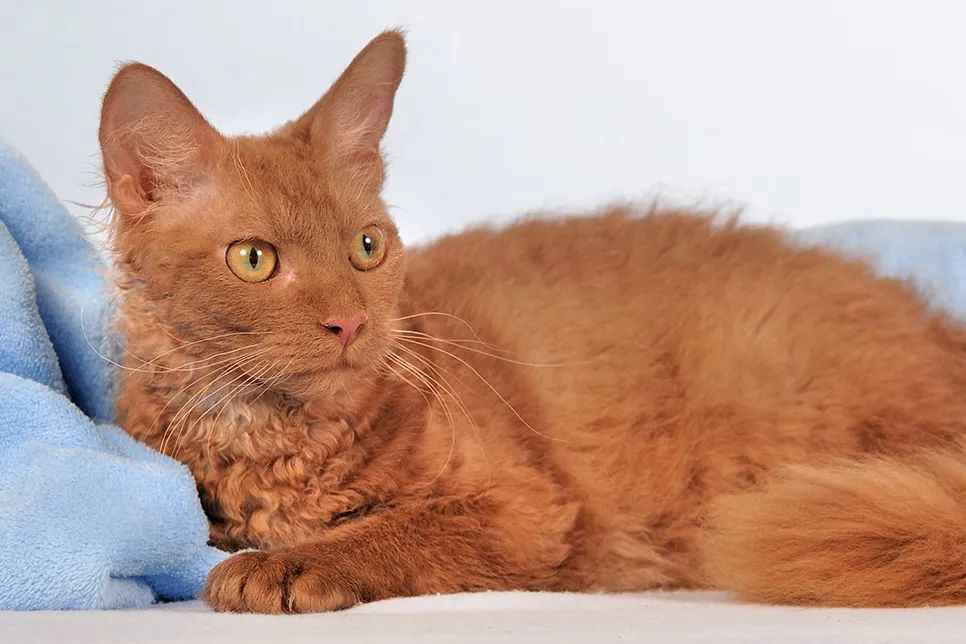
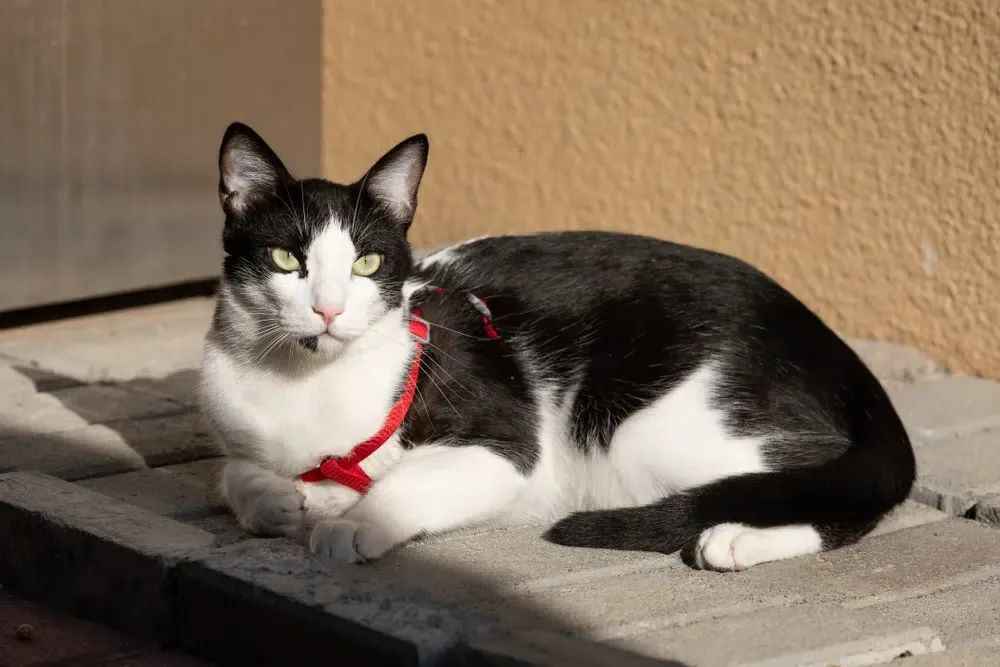
Arabian Mau: A Treasured Feline of the Arabian Peninsula
The Arabian Mau, a distinctive cat breed native to the Arabian Peninsula, has long been an integral part of the region's cultural fabric. Renowned for its adaptability to harsh desert climates, this feline boasts a sleek, medium-sized body with a short coat that comes in a variety of colors, including tabby, solid, and bi-color.
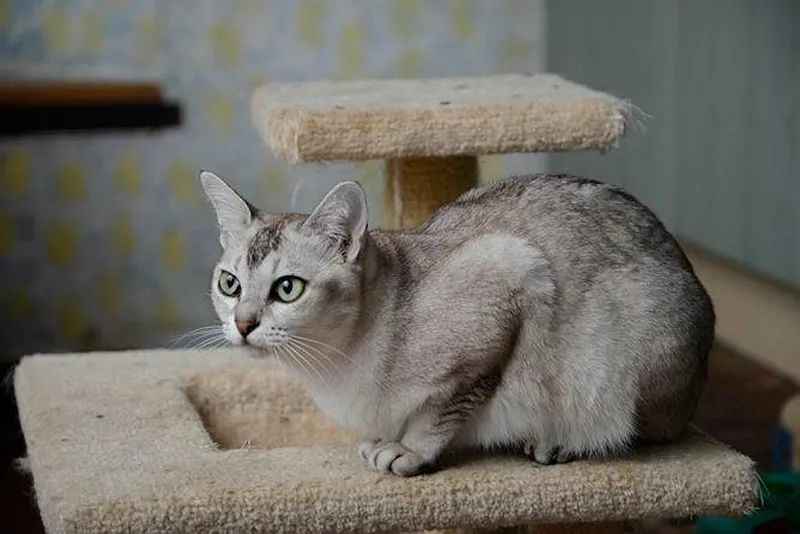
Asian Cats: A Tapestry of Breeds Enchanting the Globe
Asia, a cradle of diverse feline heritage, has given the world some of the most beloved cat breeds, each boasting unique traits shaped by centuries of regional culture and environment. These breeds, celebrated for their distinct appearances and personalities, continue to captivate cat enthusiasts worldwide.
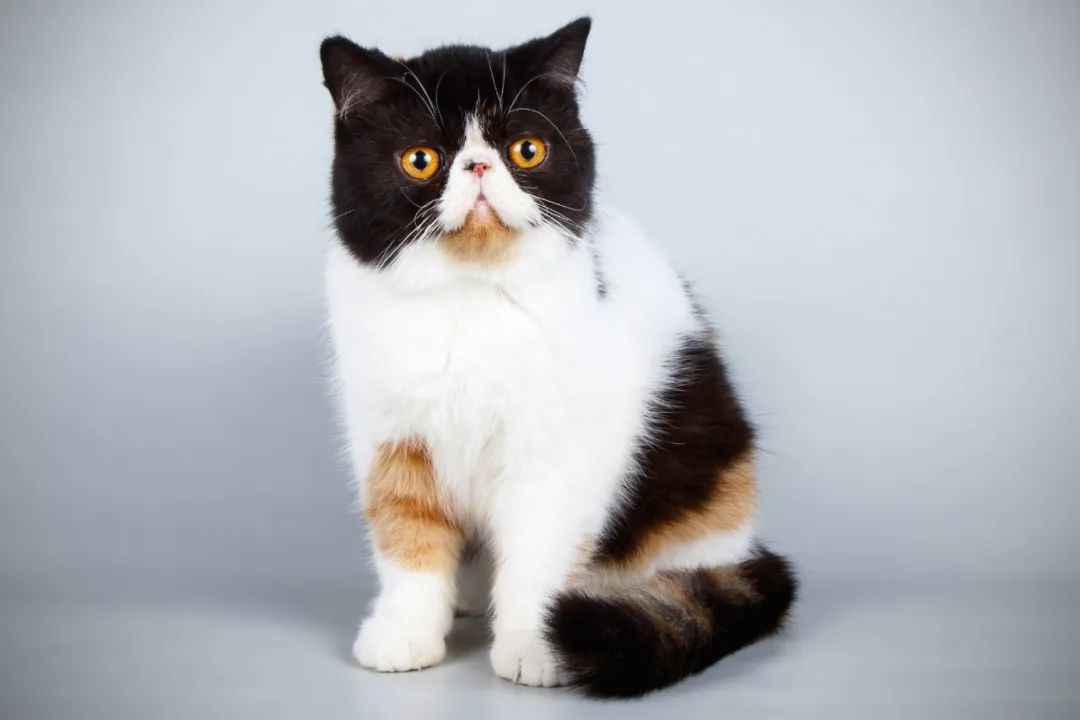
Exotic Shorthair: The Adorable Feline Phenomenon Conquering Hearts Worldwide
The Exotic Shorthair, often dubbed the "lazy man’s Persian," has solidified its status as one of the most beloved cat breeds globally, blending the elegance of Persians with the low-maintenance charm of American Shorthairs. Developed in the 1960s by American breeders aiming to create a short-haired Persian variant, this breed has since captivated cat lovers with its round face, plush coat, and laid-back demeanor 28.
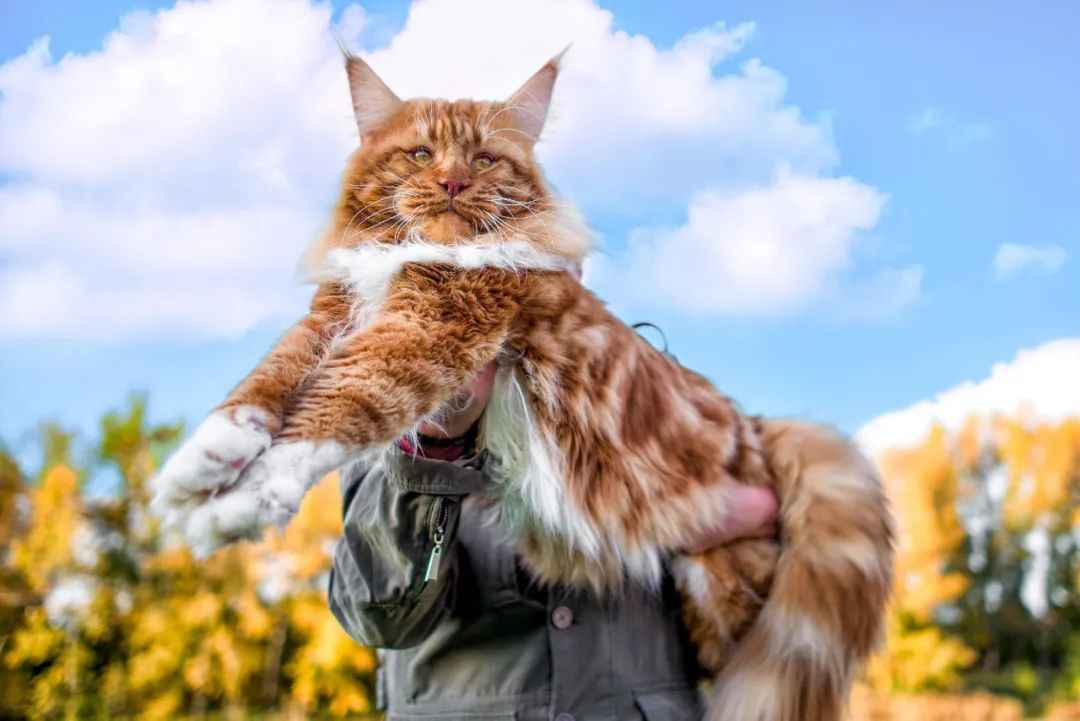
Majestic Maine Coon: The Gentle Giant of the Feline World
The Maine Coon, often hailed as the "gentle giant" of the cat world, is a breed that captivates with its imposing size, striking appearance, and affectionate demeanor. Originating in the U.S. state of Maine, these regal felines have a rich history intertwined with myths and legends, from tales of Viking settlers bringing Norwegian Forest Cats to New England to claims of descent from Marie Antoinette’s cherished pets 37. While genetic studies indicate their roots lie in Western European domestic cats brought by Puritan settlers in the 17th–18th centuries, their enigmatic past only adds to their
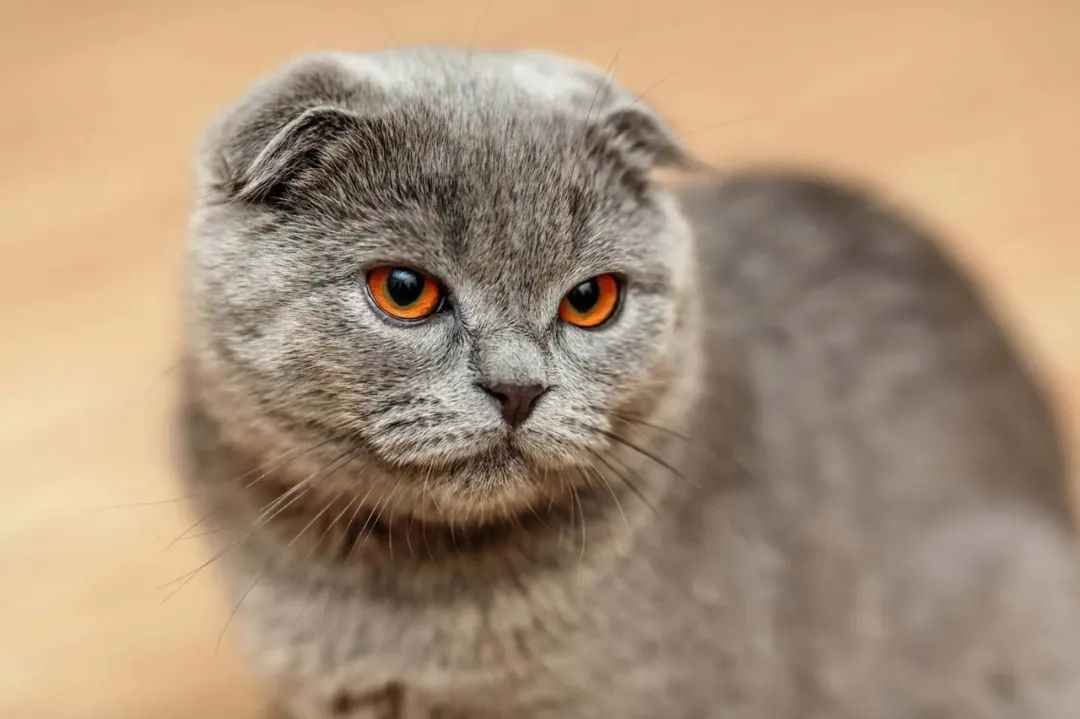
Genetic Flaws and Global Popularity: The Controversial Legacy of Scottish Fold Cats
In recent years, the Scottish Fold cat has become an internet sensation, celebrated for its distinctive folded ears and owl-like appearance. However, behind the adorable facade lies a dark reality rooted in genetic abnormality and ethical debate. This breed, born from a spontaneous mutation in a Scottish barn cat named Susie in 1961, has sparked global controversy over its health implications and breeding practices.

Royal Origins and Modern Allure: The Timeless Siamese Cat
The Siamese cat, with its striking blue almond-shaped eyes and sleek, color-pointed coat, has captivated humans for centuries. Originating in Siam (now Thailand), this breed was once revered as a guardian of sacred temples and a companion to royalty. Ancient Thai manuscripts depict Siamese cats as protectors of Buddha’s relics, symbolizing prosperity and spiritual purity. Their journey to global fame began in 1884 when the British Consul in Bangkok gifted two seal-point Siamese cats to his sister in England, sparking a craze among European aristocrats. By the early 20th century, they had conqu
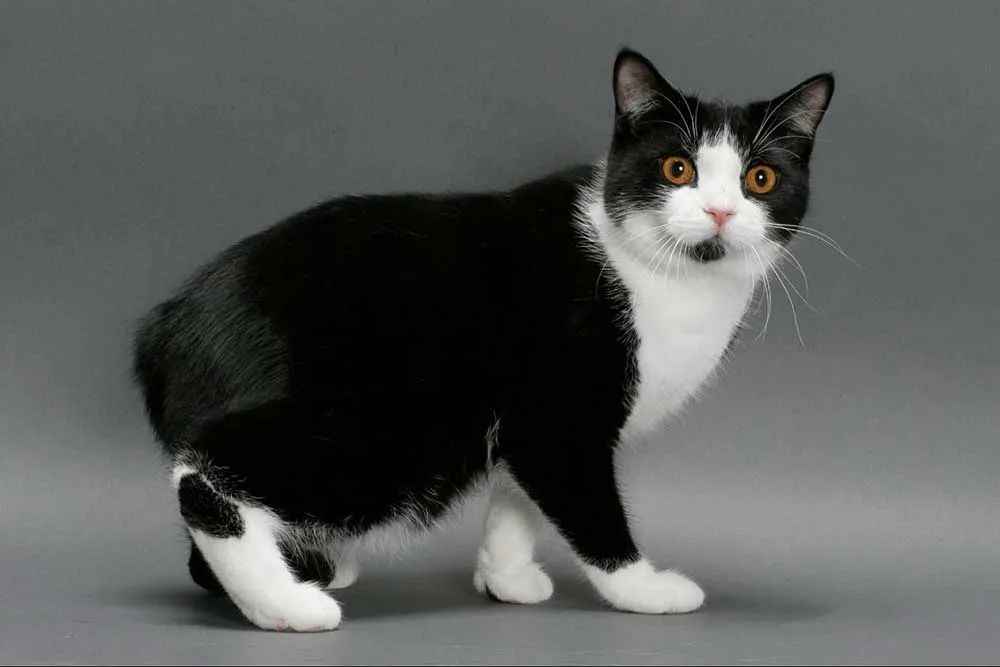
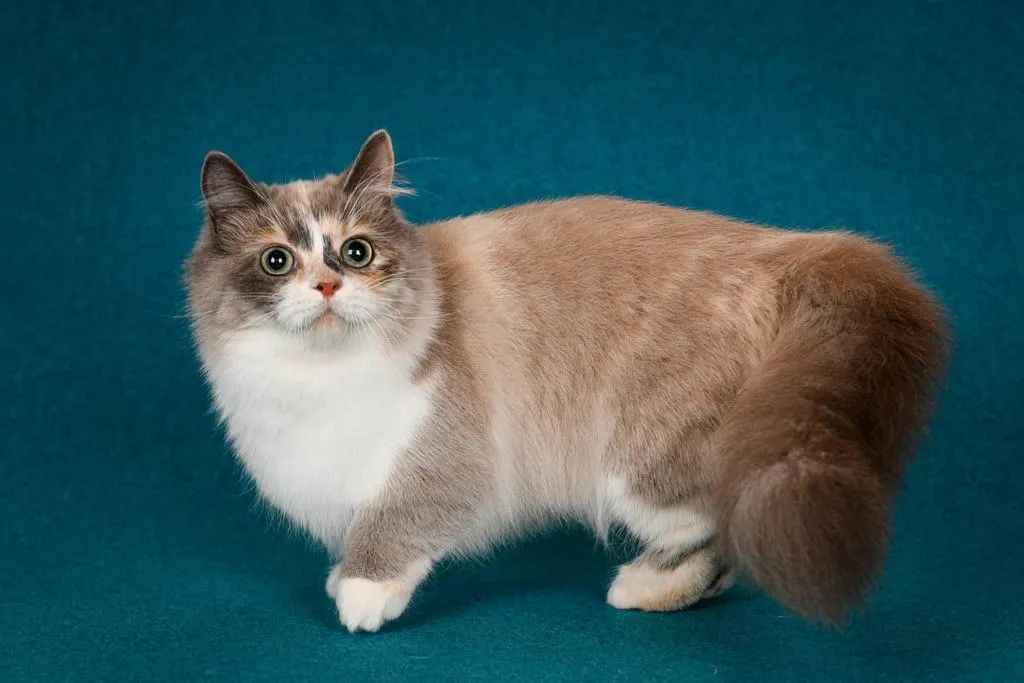
The Manx Cat: A Unique Tailless Cat Breed
The Manx cat is a unique cat breed originating from the Isle of Man in the Irish Sea. Its history can be traced back to the 16th century, when it was recorded in paintings and literature. The most remarkable feature of the Manx cat is its lack of a tail or having only a short tail bump, which is caused by a genetic mutation resulting from inbreeding among the local cats on the island.
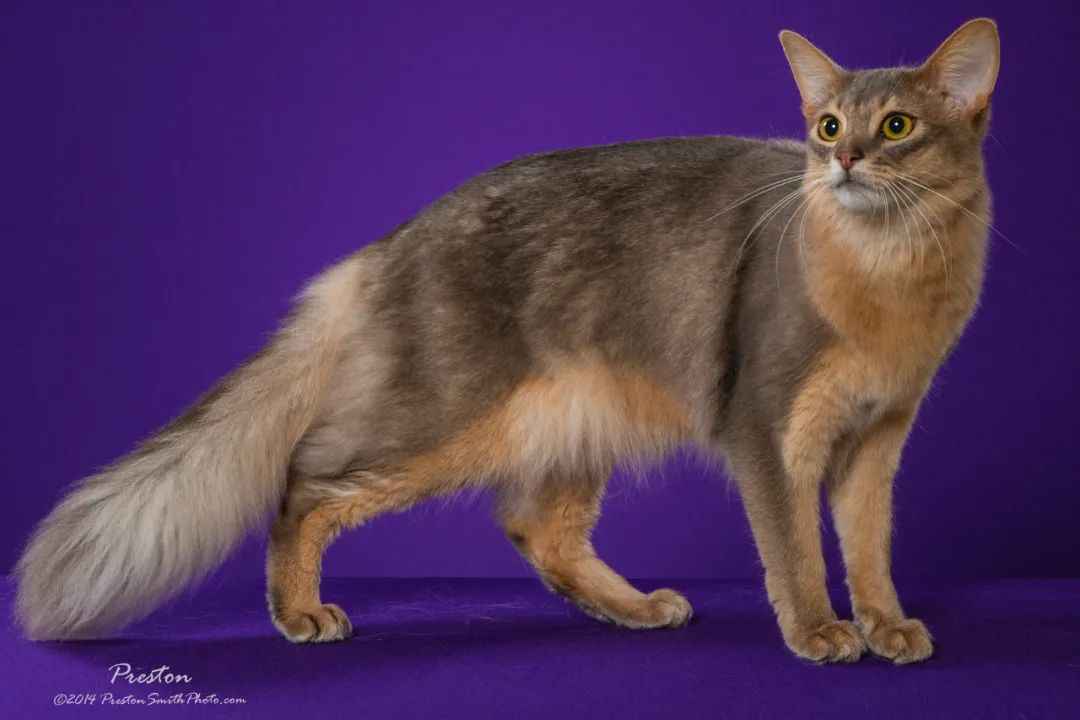
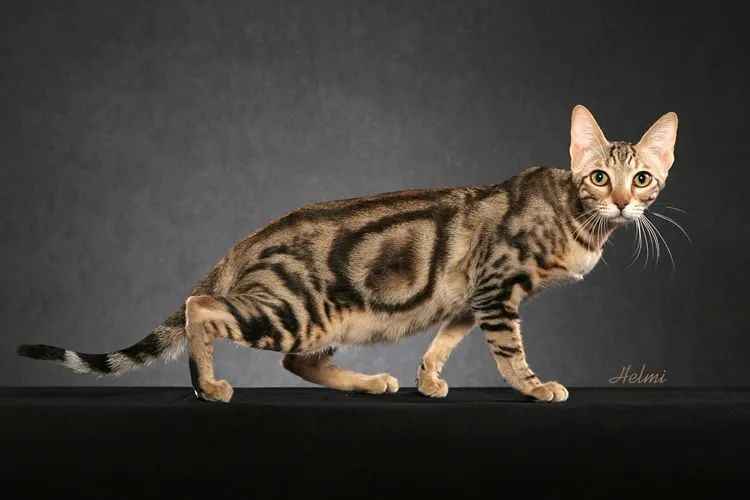
The Enchanting Somali Cat: The Lively Spirit in the Family
The Somali cat is a charming and energetic cat breed, deeply loved by cat enthusiasts worldwide. It originated in Africa and is a long - haired domestic cat breed developed from the mutation and selection of Abyssinian cats. Due to its close relationship with the Abyssinian cat and the fact that the origin of the Abyssinian cat is close to Somalia, it got its name.
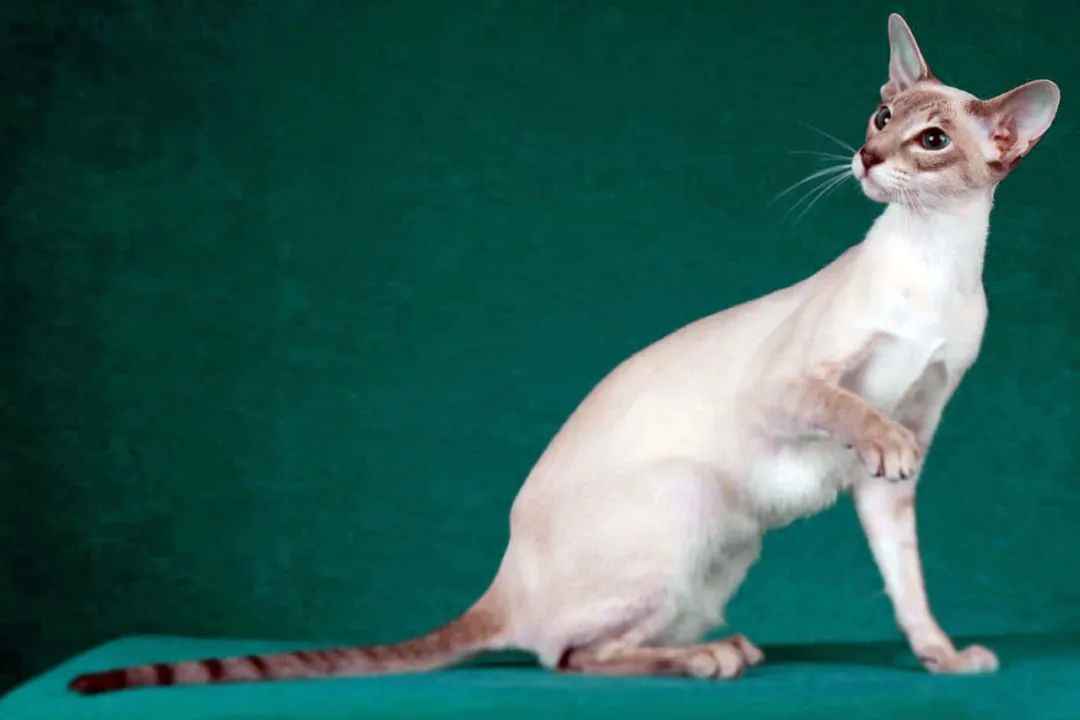
Headline: Colorpoint Shorthair: The Elegant Feline with a Rainbow of Personalities
The Colorpoint Shorthair, often hailed as the "Siamese in Technicolor," is a breed born from human ingenuity to expand the palette of pointed cats beyond traditional Siamese hues. Developed in the 1940s through careful crossbreeding of Siamese with American Shorthairs and Abyssinians, this breed introduced striking new color variations such as red, cream, lynx, and tortoiseshell points, while retaining the Siamese’s sleek, muscular physique and wedge-shaped head with vivid blue almond eyes . Recognized by the Cat Fanciers’ Association (CFA) in 1964 and granted championship status a decade late
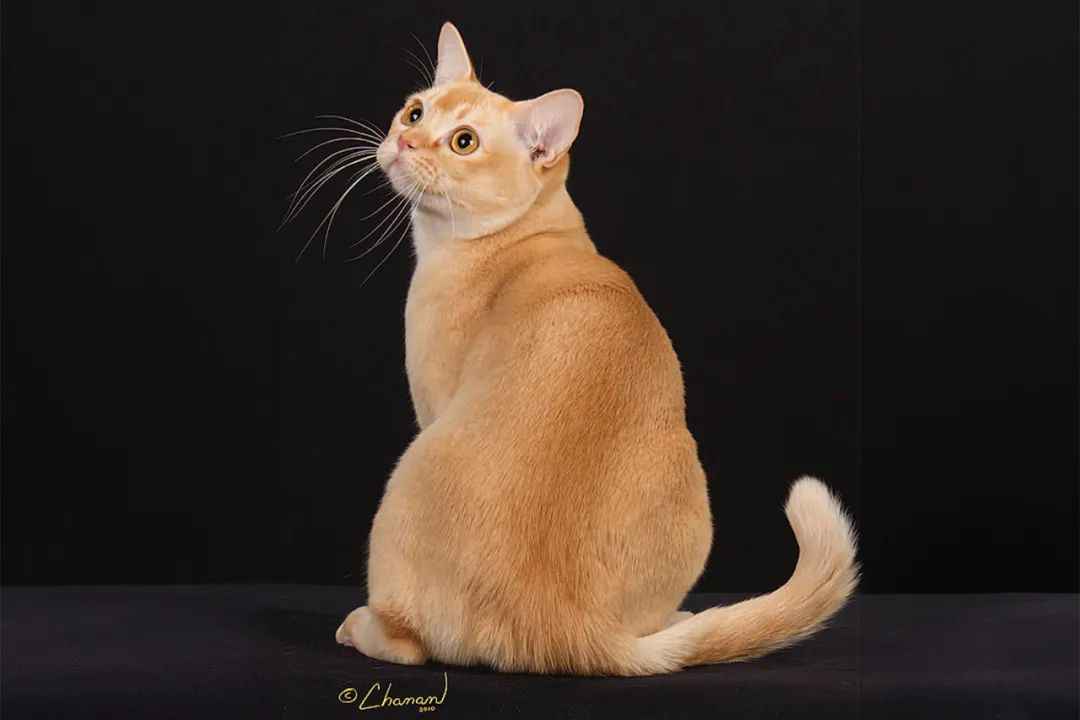
Exclusive: European Burmese Cat Breed – A Graceful Feline with a Rich Heritage
The European Burmese cat, a breed born from careful crossbreeding in mid-20th century Europe, has captivated cat enthusiasts with its elegant physique and affectionate nature. Originating from the American Burmese stock imported to the UK, European breeders sought to diversify the gene pool by introducing Siamese and British Shorthair bloodlines, resulting in a distinct feline with refined features. Recognized by major associations like the CFA since 2002, this breed stands out for its sleek, muscular build and striking golden or amber almond-shaped eyes, which contrast sharply with the rounde
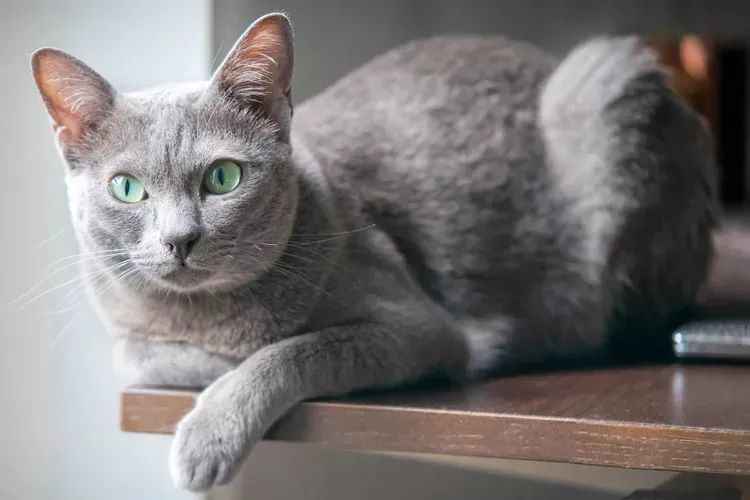
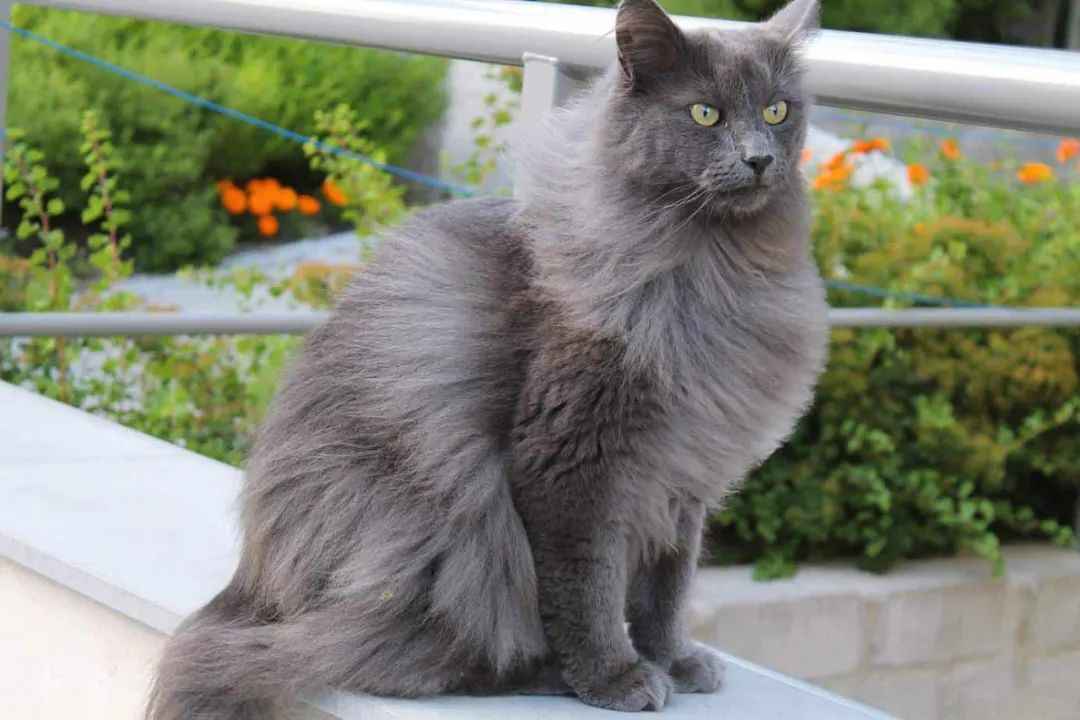
Thailand's Korat Cat: A Symbol of Grace and Good Fortune
The Korat cat, originating from Thailand’s Nakhon Ratchasima province (formerly Korat), is a breed deeply rooted in history and cultural significance. Revered for centuries as a symbol of good luck and prosperity, these silver-blue felines have enchanted the world with their striking appearance and affectionate nature.
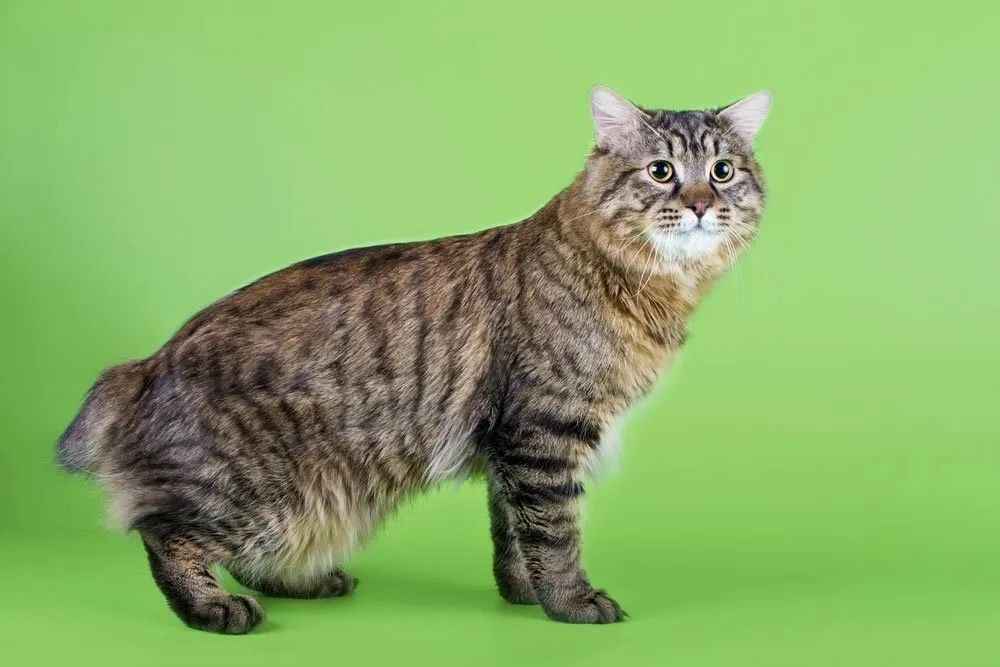
American Bobtail: A Perfect Fusion of Wilderness and Domestic Affection
The American Bobtail, a breed cherished for its captivating wild aesthetics and loving disposition, has enchanted cat enthusiasts globally with its distinctive traits. Emerging from a natural genetic mutation in domestic cats, this medium-to-large breed traces its roots back to the late 1960s when a short-tailed cat named Yodie was found in Arizona. Breeders carefully crossed Yodie with a Siamese cat, establishing a lineage that merges the rugged charm of a bobcat with the gentle essence of a household pet
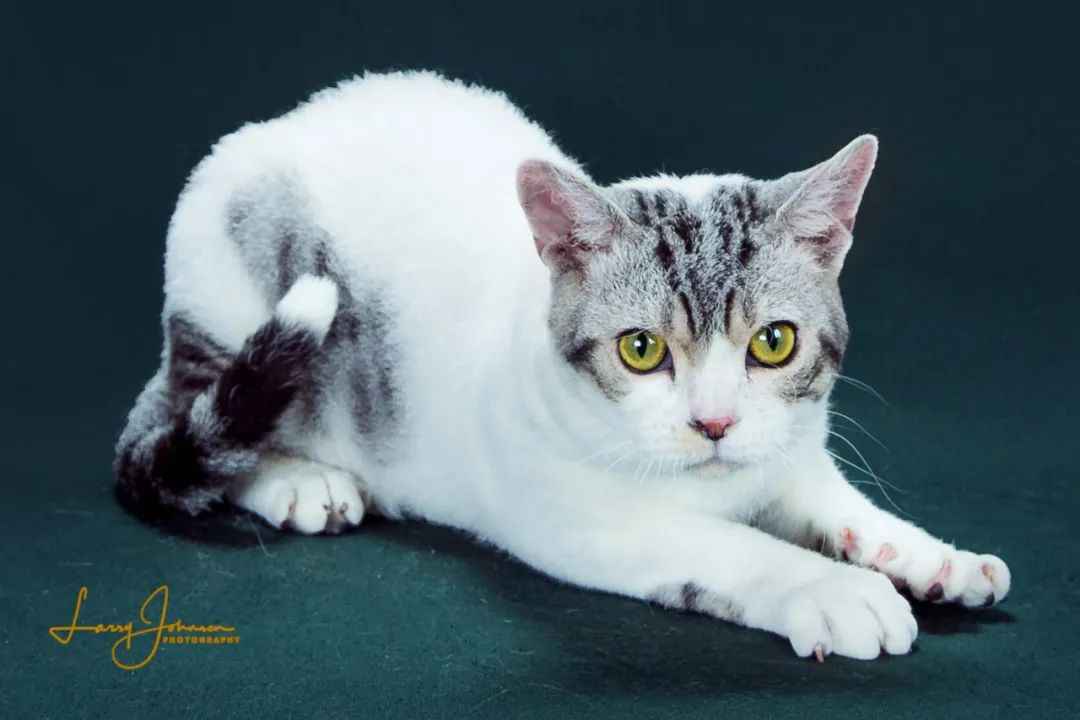
Unique American Wirehair Cat: A Rustic Charm from New York’s Barns
The American Wirehair, a feline breed born from a genetic quirk, has captivated cat lovers with its distinctive wiry coat and easygoing personality. Originating in 1966 on a farm in Verona, New York, this breed traces its roots to a single surviving kitten named Adam, whose crimped fur and curly whiskers set him apart from his littermates . Rescued by breeder Joan O’Shea, Adam became the foundation of a breeding program that blended his unique traits with American Shorthairs, solidifying the breed’s genetic legacy .
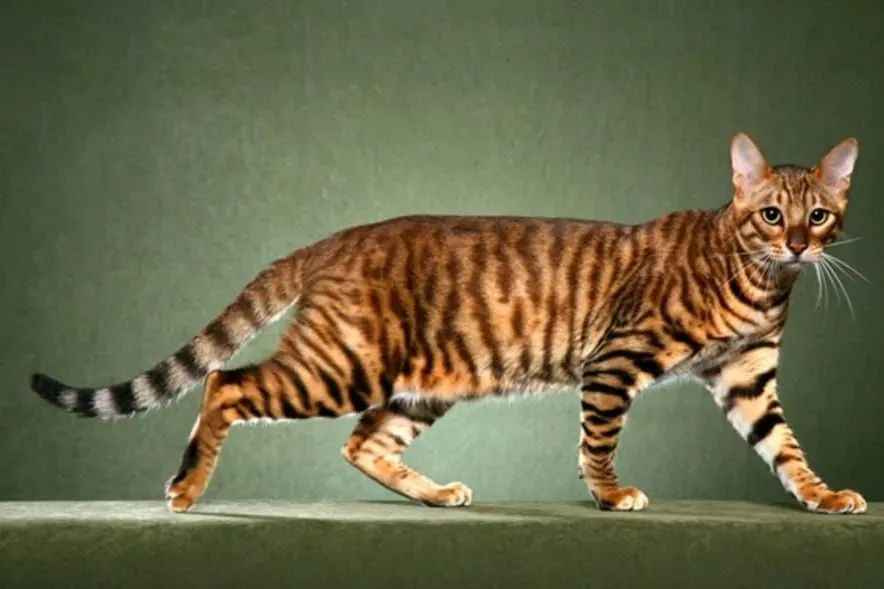
Toyger: Bringing the Wild Tiger's Aura to Your Living Room
In the world of domestic cats, one breed stands out for its striking resemblance to the wild tiger—the Toyger. Developed in the 1980s by American breeder Judy Sugden, this unique feline was crafted with a clear vision: to create a house cat that embodies the majesty of its larger, wild cousin while maintaining a gentle, companionable nature.
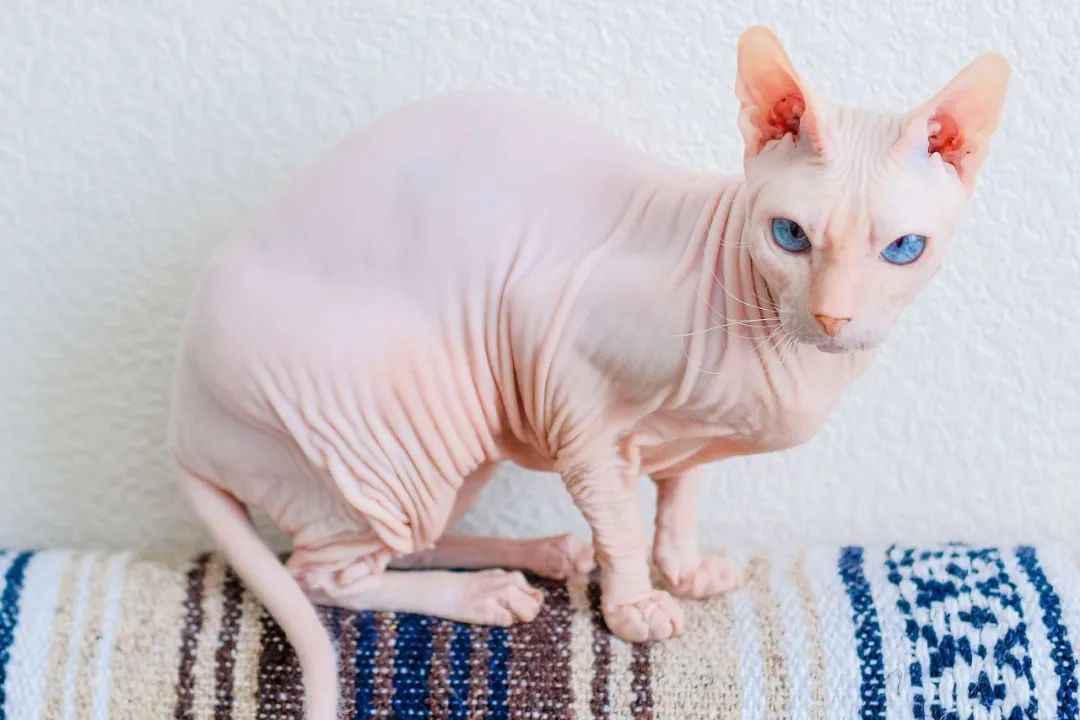
Meet the Donskoy: Russia’s Enigmatic Hairless Cat Breed
Originating from the city of Rostov-on-Don in Russia, the Donskoy cat, also known as the Don Sphynx, has captivated feline enthusiasts worldwide with its unique appearance and affectionate demeanor. First discovered in 1987 when Professor Elena Kovaleva rescued a hairless kitten named Varvara, the breed emerged from a natural genetic mutation that resulted in a lack of fur. Varvara’s subsequent litters produced both haired and hairless kittens, leading breeder Irina Nemykina to develop the Donskoy through selective breeding with European Shorthairs. Recognized by The International Cat Associat
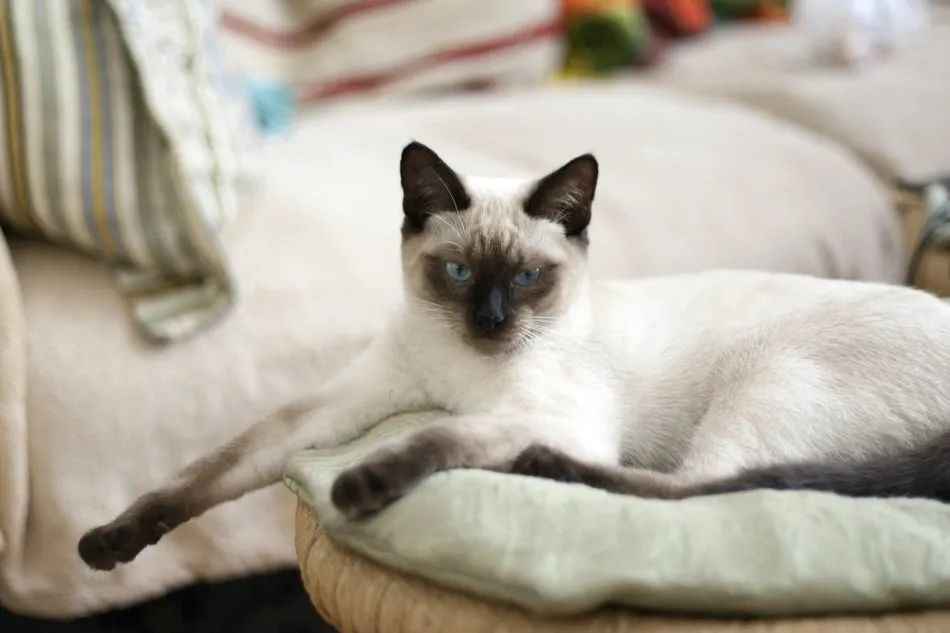
Thai Cats: The Elegant Gem of Ancient Siam
The Thai cat, also known as the Siamese cat, is one of the oldest cat breeds in the world, with a history dating back hundreds of years to Siam (now Thailand). In ancient times, these cats were treasured as gems of royal families and temples, symbolizing good fortune and divinity, and were even forbidden to be kept by commoners.