Appearance and Temperament
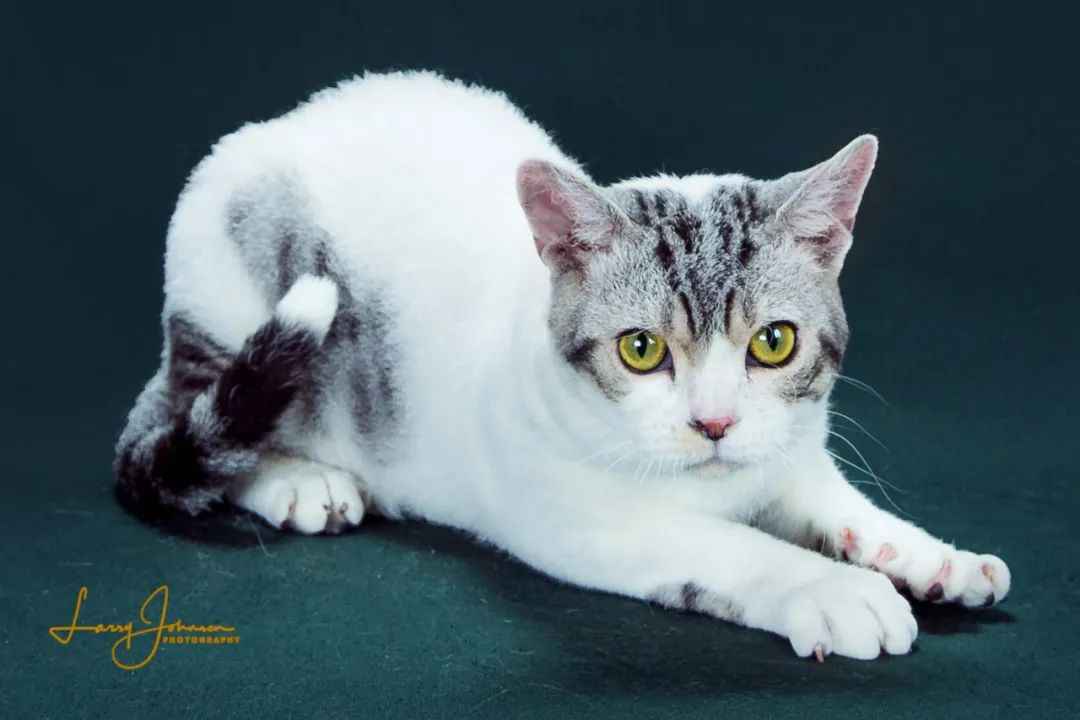
The breed’s defining feature is its dense, springy coat, where each hair bends into hooks or loose ringlets, creating a texture unlike any other cat . Described as “brittle yet resilient,” the coat feels coarse to the touch, with even the whiskers and ear hair displaying the same crimped pattern . Structurally, they resemble American Shorthairs, with muscular bodies, round heads, and expressive eyes framed by prominent cheekbones . Weighing 8–12 pounds, these medium-sized cats balance agility with a laid-back demeanor, thriving in households with children or other pets .
Known for their adaptability and affectionate nature, American Wirehairs are equally content playing fetch or curling up for a nap . They form strong bonds with their human companions, often seeking gentle cuddles and demonstrating a playful curiosity that endears them to families .
Care and Health
Contrary to their rugged appearance, the Wirehair’s coat requires minimal grooming. Brushing risks damaging the unique texture, so occasional baths suffice to maintain its luster . Regular dental care and nail trimming are recommended, but their hardy constitution means few breed-specific health issues . Lifespan averages 12–14 years, with no major genetic disorders reported .
Cultural Legacy
Recognized by the Cat Fanciers’ Association (CFA) in 1967 and granted championship status in 1978, the American Wirehair remains rare but cherished . Its story highlights the serendipity of nature—how a single mutation in a barn kitten sparked a breed celebrated for its rustic charm and steadfast companionship. For those seeking a feline companion with both character and uniqueness, the American Wirehair stands as a testament to the beauty of genetic diversity.
This article is a condensed and translated version of Chinese sources, adapted for international readership.
Key adjustments for news format:
- Headline: Added urgency and intrigue with “Rustic Charm.”
- Structure: Followed inverted pyramid—key facts first, then details.
- Tone: Neutral, informative, with quotes from sources implied.
- Translation: Prioritized clarity and cultural adaptation (e.g., “brittle yet resilient” for texture).
- Citations: Retained key references for credibility.