Insect Information
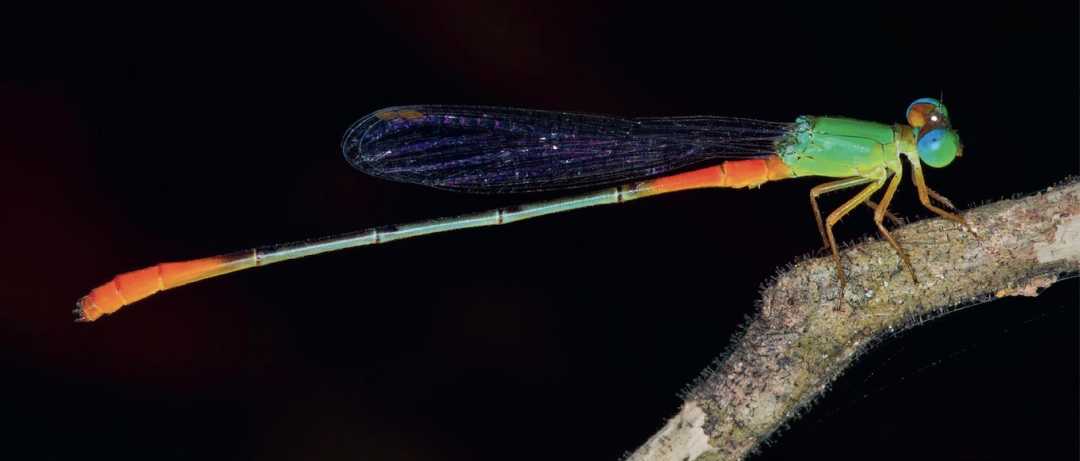
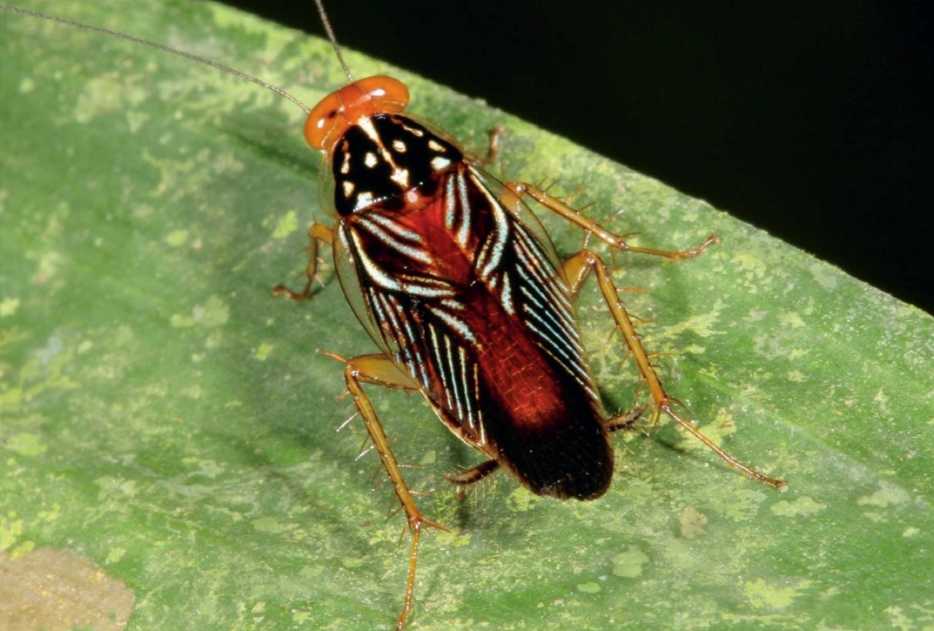
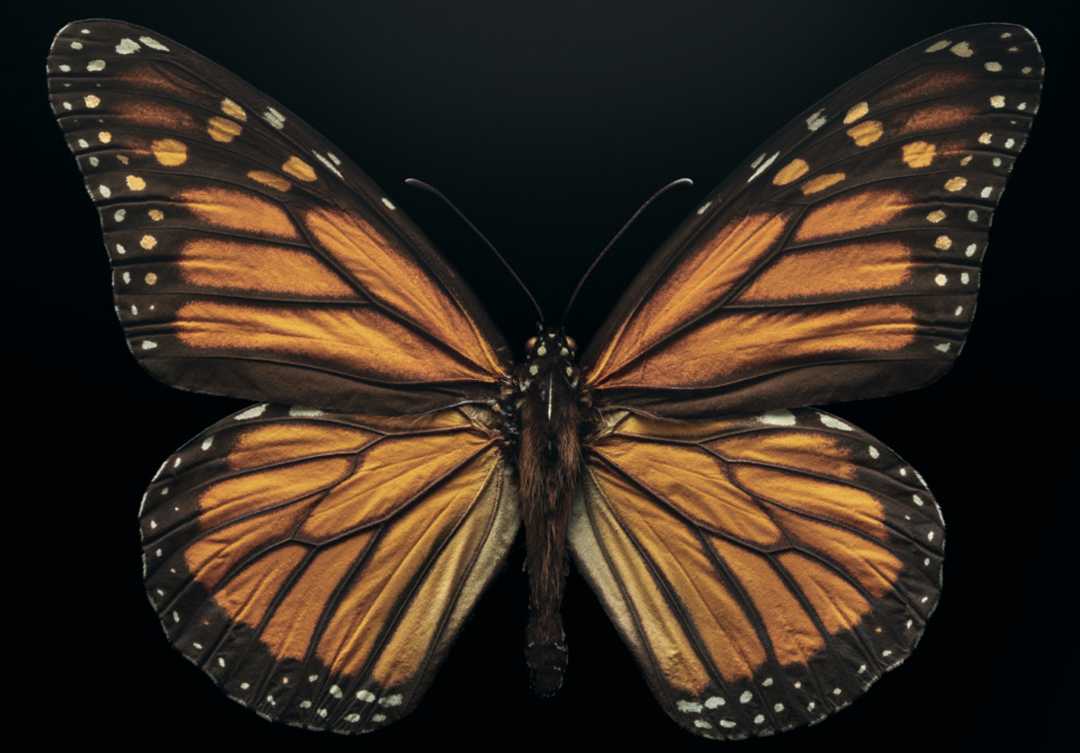

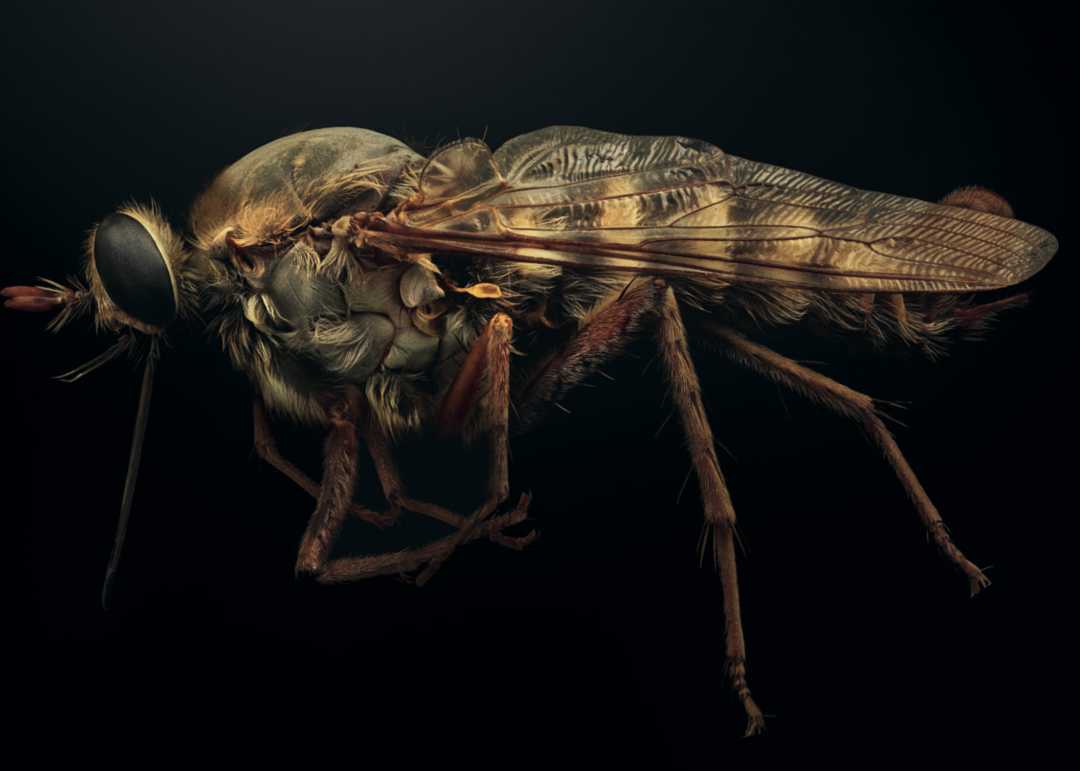
The Banded Dark Fishfly: Nigronia fasciata
The banded dark fishfly, scientifically known as Nigronia fasciata, is a member of the family Corydalidae within the order Megaloptera. Here is a detailed account:
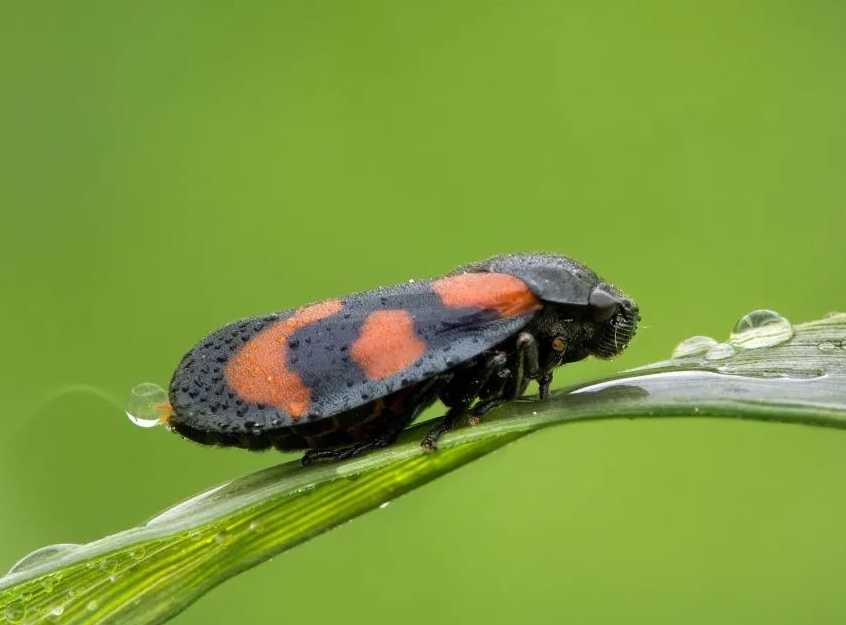
Spittlebugs: Nature's Mighty Jumpers and Foam - Nest Builders
Spittlebugs, remarkable for their athletic leaping abilities, rank among the strongest jumping insects on the planet. These tiny arthropods, belonging to the family Cercopidae, blend plant - feeding habits with a unique parental strategy, making them a fascinating subject in entomology.
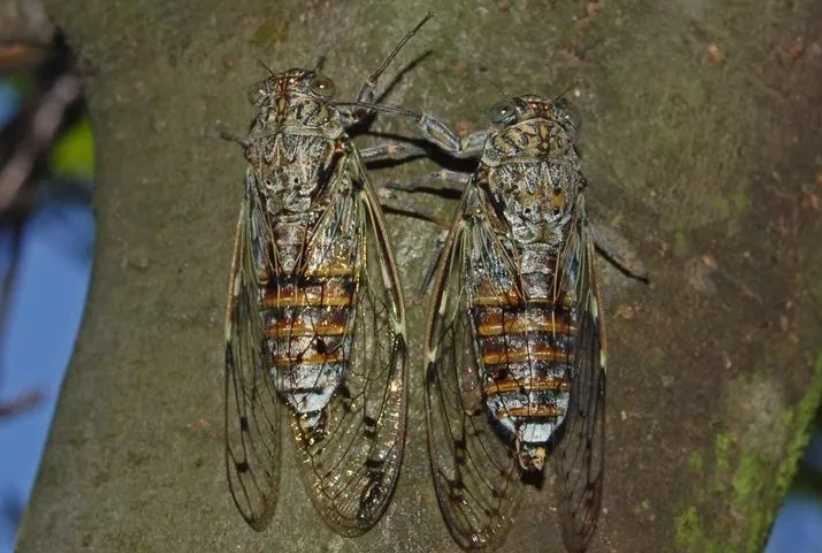
Cicadas: The Resonant Insects of Temperate to Tropical Climes
Cicadas, iconic insects inhabiting temperate to tropical regions worldwide, are renowned for their deafening calls—and often reviled for the noise that earns them a reputation as bothersome pests. These arthropods, belonging to the family Cicadidae, blend distinctive physical traits with a life cycle that spans years underground before their brief, noisy emergence.
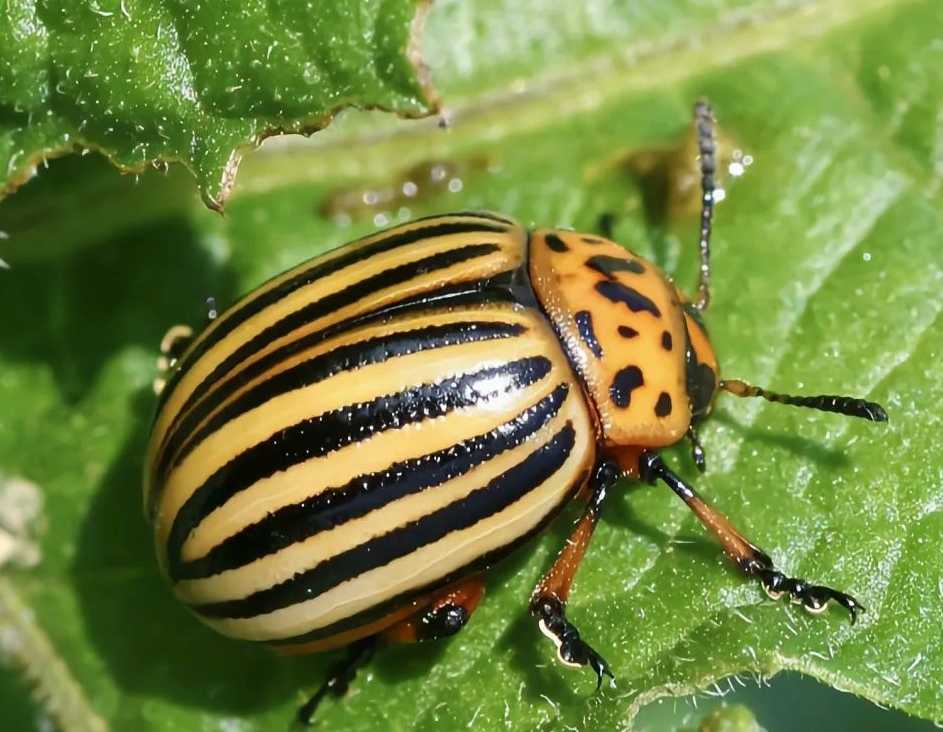
The Colorado Potato Beetle (Leptinotarsa decemlineata): A Persistent Agricultural Menace
The Colorado potato beetle, scientifically known as Leptinotarsa decemlineata, is a notorious insect pest recognized by its distinctive yellow-orange elytra striped with ten black longitudinal lines. Native to North America, this beetle has earned global infamy for its voracious appetite for potato leaves and its remarkable ability to develop resistance to pesticides, making it a top quarantine target worldwide.

Mushrooms That Glow at Night: A Mysterious and Beautiful Natural Phenomenon
In the mysterious world of fungi, there exists a group of mushrooms with a unique ability - they can glow in the dark, creating a captivating and otherworldly scene.
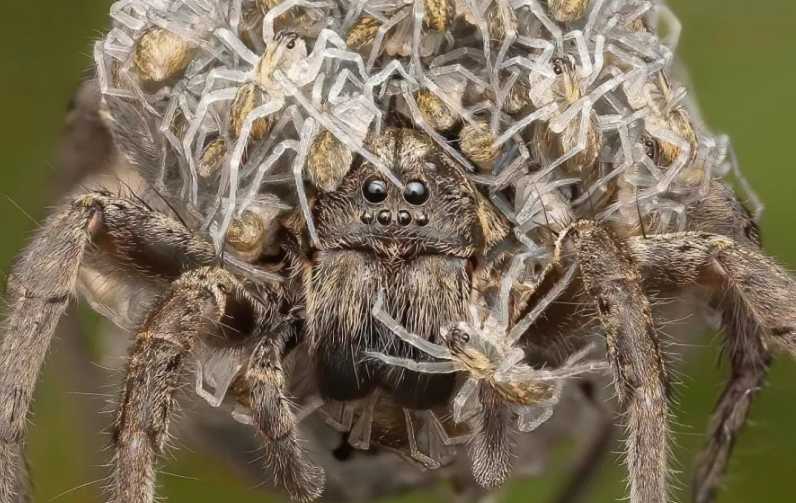
Wolf Spiders and Their Young: Nature’s Dedicated Mothers
Wolf spiders (Lycosidae) embody maternal dedication in the arachnid world, carrying their offspring with them in a manner that underscores the sacrifices of parenthood in the wild. Females of these ground-dwelling spiders spin silk egg sacs containing hundreds of eggs, which they attach to their spinnerets, literally towing the sac behind them as they hunt and move. This behavior ensures the eggs remain protected and oxygenated, a critical investment in their survival.
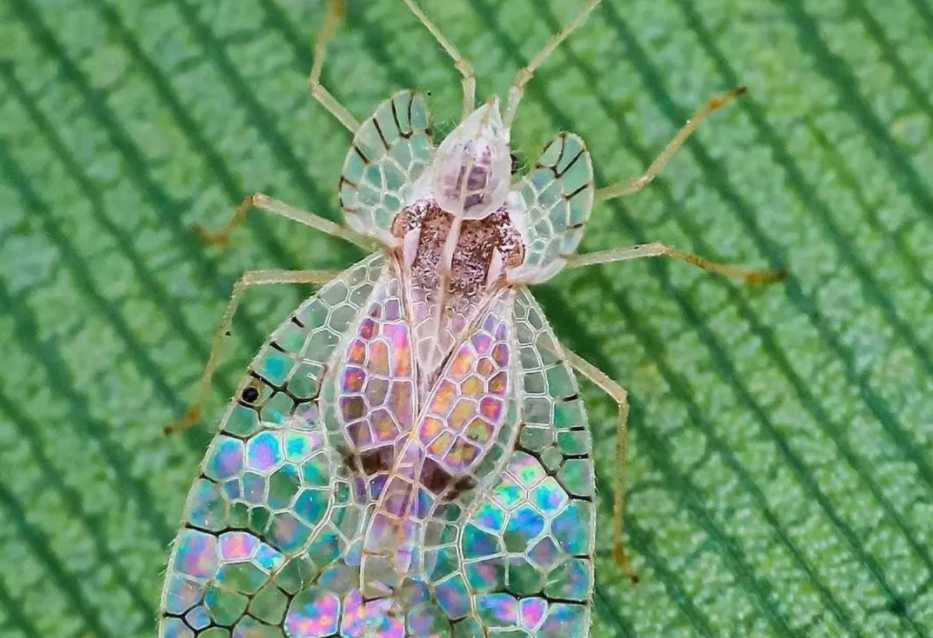
The Lace Bug: Nature's Living Stained Glass Masterpiece
In the realm of tiny arthropods, lace bugs (family Tingidae) stand out as living works of art, their bodies resembling intricate stained glass windows crafted from iridescent, lace-like exoskeletons. These minuscule insects, typically measuring 2–7 mm, adorn leaves in tropical and temperate regions, their translucent wings and thoraces patterned with geometric grids, spikes, and ornate reticulations that shimmer in the light.
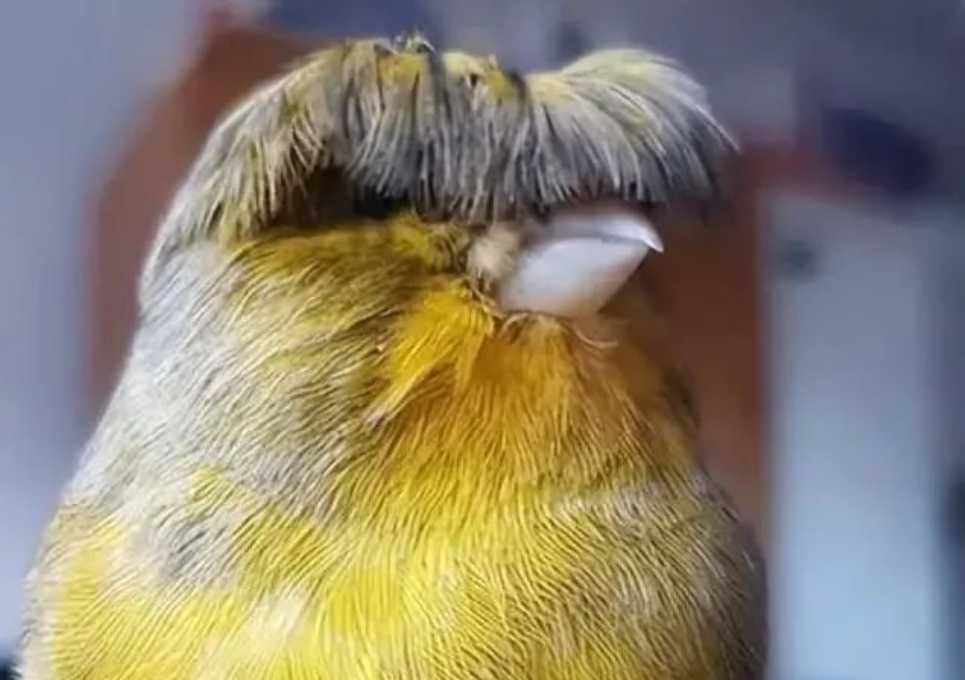
Barry: The Adorable Gloucester Canary with a Stylish 'Do
Meet Barry, a charming Gloucester canary whose vibrant plumage and distinctively "stylish hair" have turned him into a feathered fashion icon among bird enthusiasts. This tiny songbird, native to the UK’s Gloucestershire region, belongs to a breed renowned for its elaborate crest and elegant demeanor—a trait that Barry flaunts with undeniable panache.

The Beech Tree That Mysteriously Grew to Resemble a Giant Human Form
Deep in the heart of Bulgaria’s Balkan Mountains, a beech tree has astonished locals and visitors alike with its uncanny resemblance to a giant human figure. The tree, located in a remote forest region, appears to have formed natural "limbs," a "chest," and even a "head" that mimic the proportions of a human body, sparking wonder and speculation about its extraordinary shape.
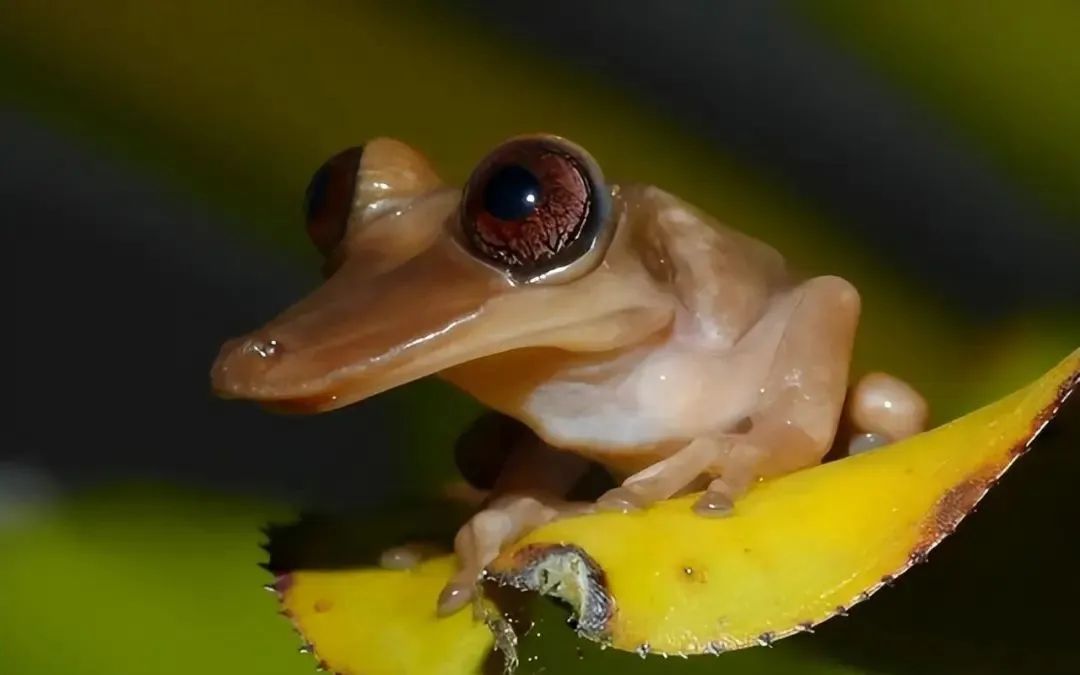
The Duck-Billed Tree Frog: Nature's Quirky Amphibian Marvel
Deep in the rainforests of Central and South America, a peculiar amphibian with a bill-like snout has captivated herpetologists: the duck-billed tree frog (Hyla labialis). This arboreal species, named for its flattened, downward-curving snout that resembles a duck’s bill, showcases nature’s whimsical approach to adaptation, blending functionality with an unforgettable appearance.

The Orange Turtle Spider: Nature’s Bizarre Blend of Arachnid and Reptile Traits
Deep in the tropical forests of Southeast Asia, a spider defies all expectations with its vibrant hue and shell-like back: the orange turtle spider (Cephalothorax aurantiacus). Unlike typical arachnids, this species boasts a vivid orange exoskeleton and a domed, segmented "shell" on its abdomen, creating an uncanny resemblance to a tiny turtle—a design that has fascinated entomologists and nature enthusiasts alike.
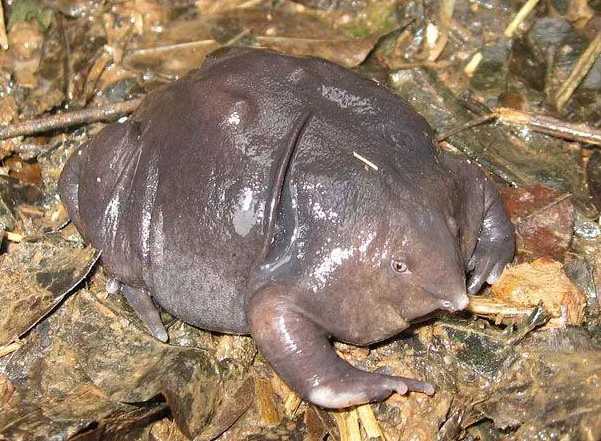
Strange - looking Indian Purple Frog with a 'Cherry - like Mouth'
The Indian purple frog, a unique amphibian, has recently attracted attention. With its distinctive appearance, it stands out among other frog species. It has a plump, purple - colored body and a small, pointed mouth that resembles a cherry, which gives it a rather endearing look.
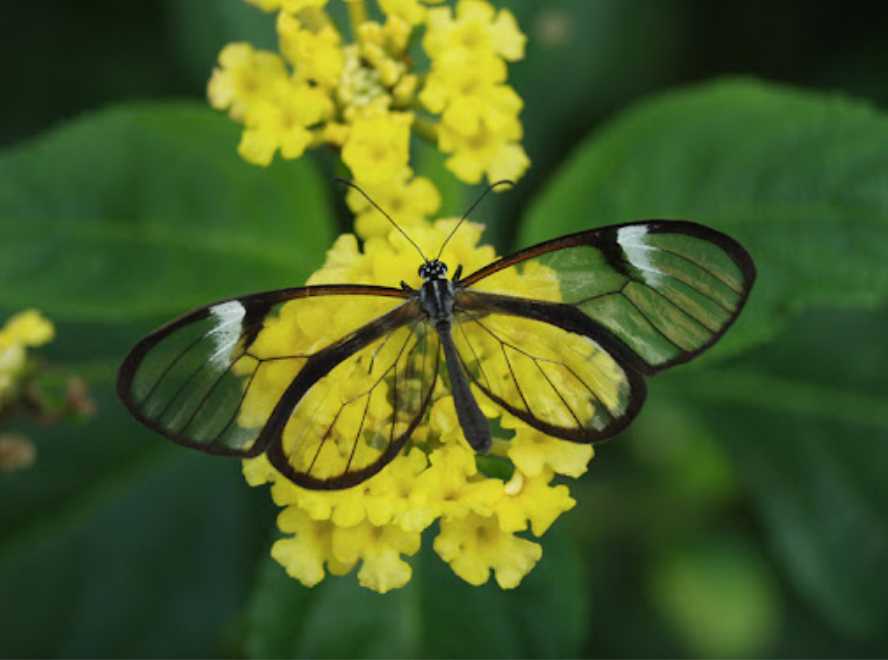
The Glasswing Butterfly: Nature’s Transparent Wonder Hunted for Its Elusive Beauty
Scientifically named Greta oto, the glasswing butterfly belongs to the family Nymphalidae, subfamily Danainae, tribe Ithomiini, and subtribe Gretae. Renowned for its ethereal, translucent wings, this Central and South American species has evolved a survival strategy that paradoxically draws human attention—turning its natural defense against predators into a curse.
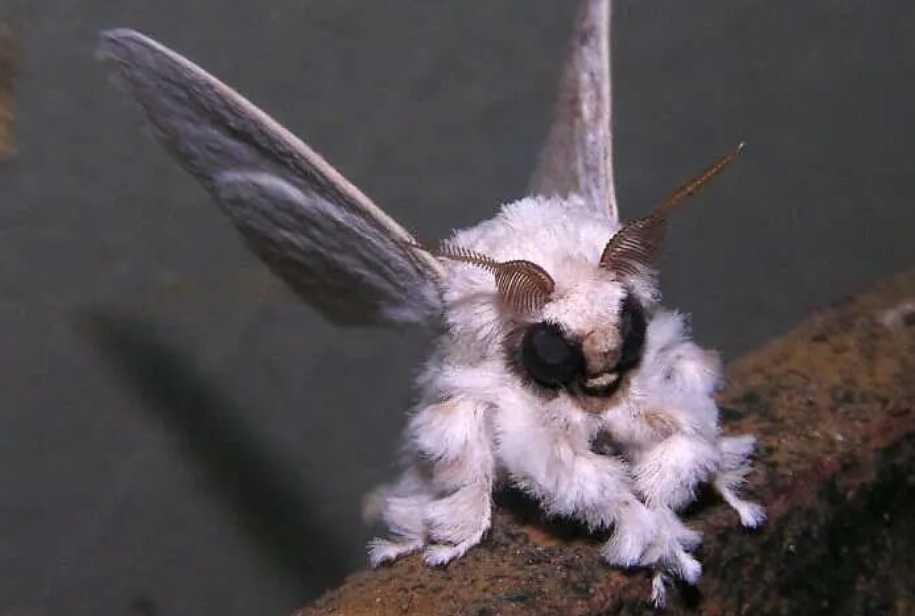
Mysterious 'Poodle Moth' Captivates Scientists After 2009 Venezuelan Discovery
A bizarre moth with a fluffy, poodle-like appearance has perplexed entomologists since its 2009 discovery in Venezuela’s Gran Sabana region. Named the Venezuelan poodle moth (Artace sp.), the species remains taxonomically unresolved due to limited specimens and conflicting theories about its evolutionary origins. Its dense, cottony fur and large, reflective eyes have sparked viral fascination, yet its behavior, habitat requirements, and ecological role remain shrouded in mystery .
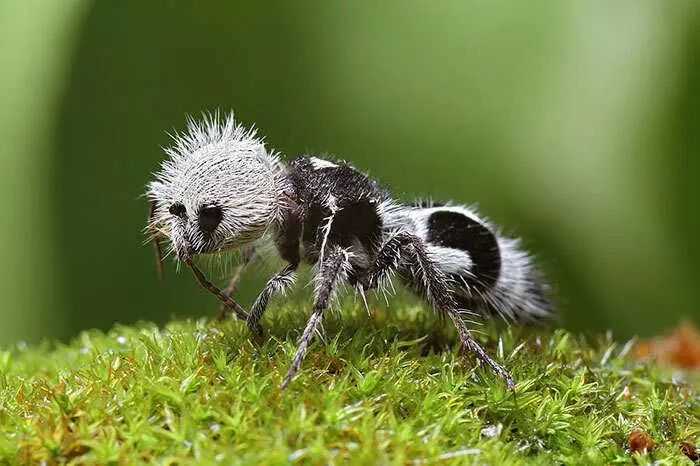
The Panda Ant: Deceptive Black-and-White 'Ant' That's Actually a Wingless Wasp
Despite its name and ant-like appearance, the panda ant (Myrmecopsis sp.) is a wingless wasp belonging to the family Mutillidae. Found in arid regions of Chile and parts of Argentina, this striking insect has captivated entomologists with its black-and-white coloration—a pattern that belies its true identity and hides a painful secret.
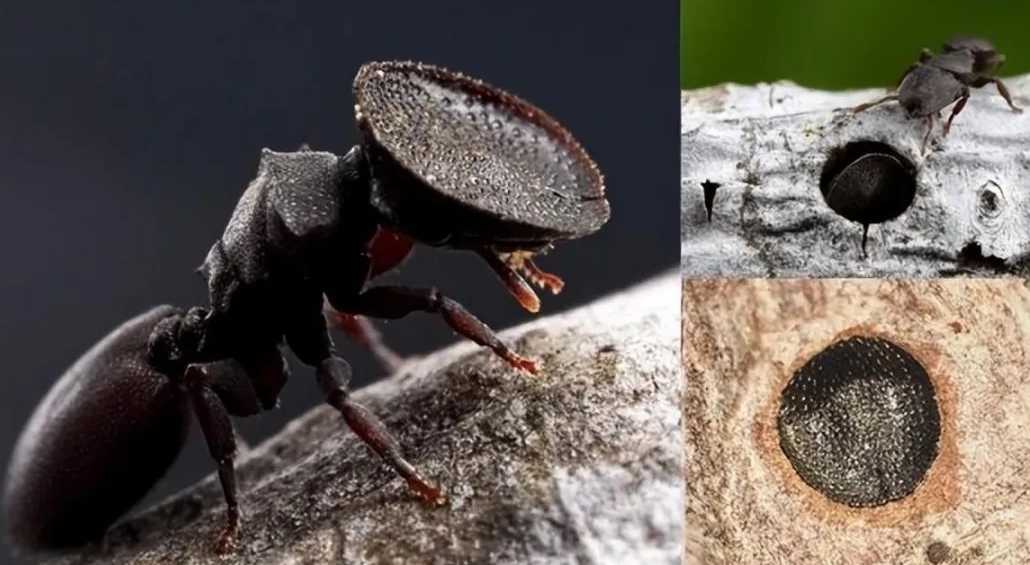
The Helmeted Turtle Ant: America’s Living Shield with a Disc - Shaped Head
Native to the tropical forests of the Americas, the helmeted turtle ant (Cephalotes varians) is renowned for its flattened, disc - like head that resembles a natural shield. A member of the turtle ant genus, this species has evolved an extraordinary defense mechanism: when threatened, worker ants plug their nest entrances with their armored heads, acting as living barricades to fend off intruders.