In 1984, Colorado-based breeder Cora Cobb discovered two blue longhair kittens—Siegfried and Brunhilde—born from a Russian Blue and black domestic cat mix. Their offspring inherited a dense, shimmering double coat, prompting Cobb to collaborate with geneticist Solveig Pfleuger. By 1987, the International Cat Association (TICA) officially recognized the Nebelung as a distinct breed. Despite its rarity, the breed has gained admiration for its unique blend of Russian Blue heritage and long-haired allure.
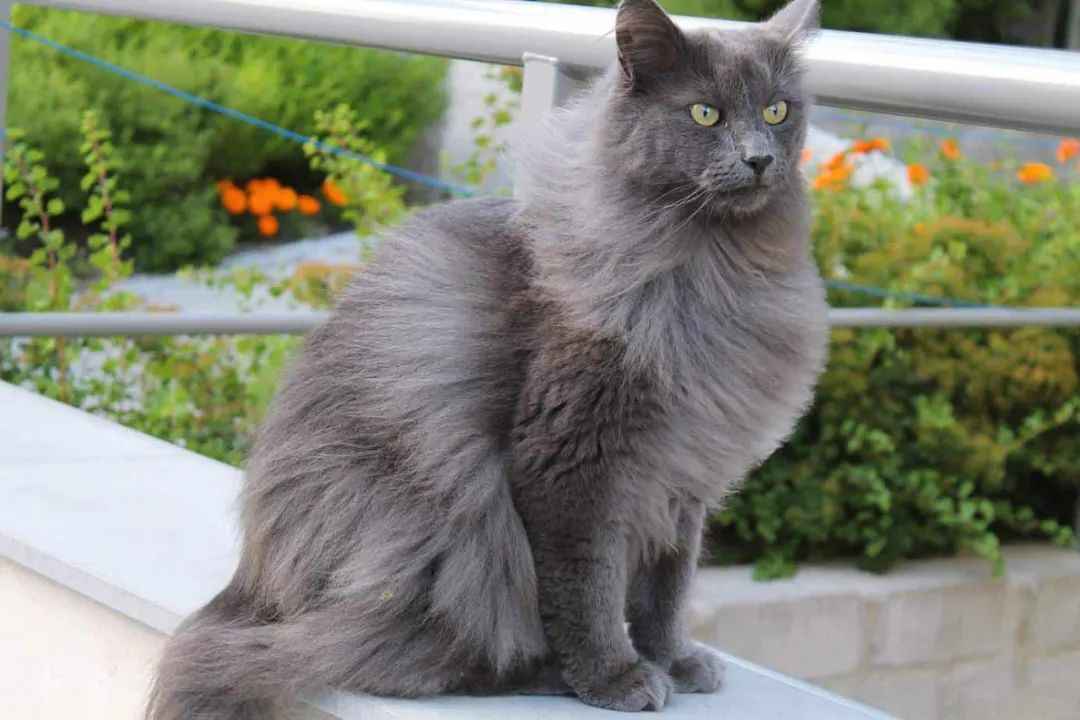
Nebelungs are medium-sized cats with a graceful, muscular build. Males weigh 10–14 pounds, while females average 7–9 pounds. Their semi-long, silky fur—thickest around the neck, tail, and legs—features silver-tipped guard hairs that glisten in light, earning them the nickname "creature of the mist". Large, pointed ears and almond-shaped eyes (ranging from vivid green to yellow-green) complete their regal appearance. The coat reaches full maturity at two years, requiring weekly brushing to maintain its luster.
Known for their quiet, affectionate nature, Nebelungs bond deeply with their families but may be shy around strangers. They thrive on routine and enjoy interactive play, often displaying dog-like loyalty by following their owners attentively. While adaptable to indoor life, they benefit from early socialization to ease transitions.
Health-wise, Nebelungs are generally robust, with a lifespan of 11–18 years. However, owners should monitor weight to prevent obesity—a risk linked to arthritis and diabetes. Veterinarian Donna Raditic advises portion-controlled meals and limiting treats to 10% of daily calories. Dental care is also crucial; daily brushing and high-protein diets help prevent periodontal disease.
The Nebelung’s rarity and captivating beauty make it a sought-after companion for dedicated owners. Whether admired for its mist-like coat or cherished for its devoted personality, this breed embodies a harmonious blend of elegance and warmth. Prospective owners are encouraged to consult reputable breeders and prioritize veterinary guidance to ensure their Nebelung thrives in a loving home.