Special Animal
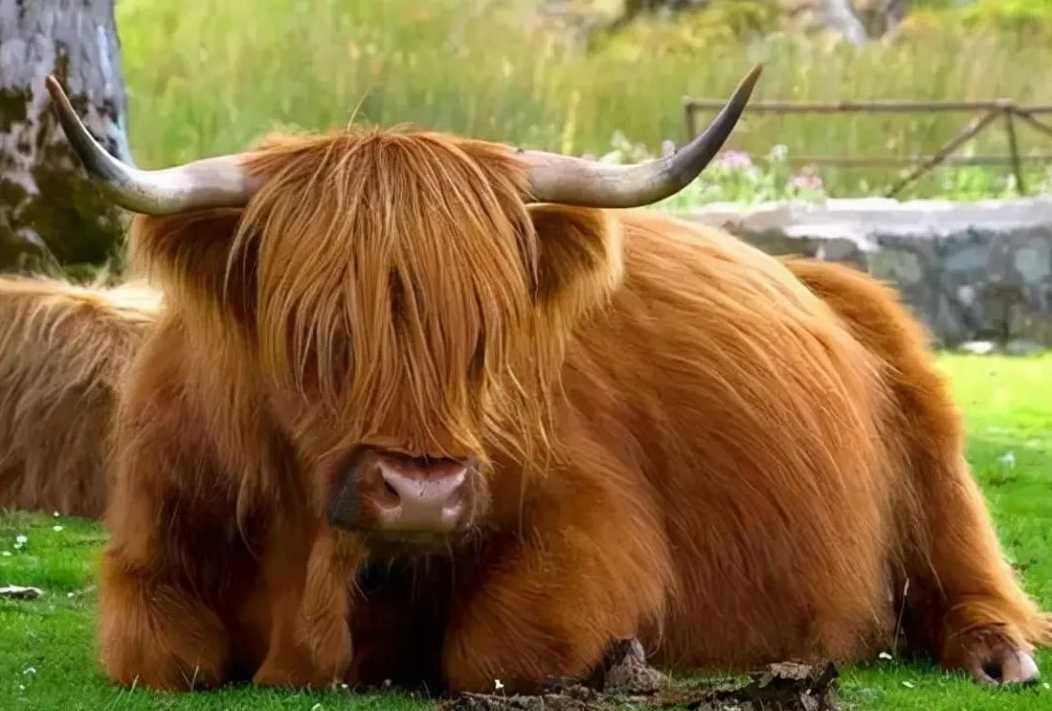
Miniature Highland Cattle: The Trendy Bovines with Eye - Grazing Bangs
Native to the Scottish Highlands, the miniature Highland cattle have become an unexpected symbol of rustic chic, captivating animal lovers and fashion enthusiasts alike with their shaggy, over - the - eyes bangs. These pint - sized bovines, though bred for their hardiness, have gained a cult following for their distinctive "hipster" appearance, blending practical adaptation with undeniable style.
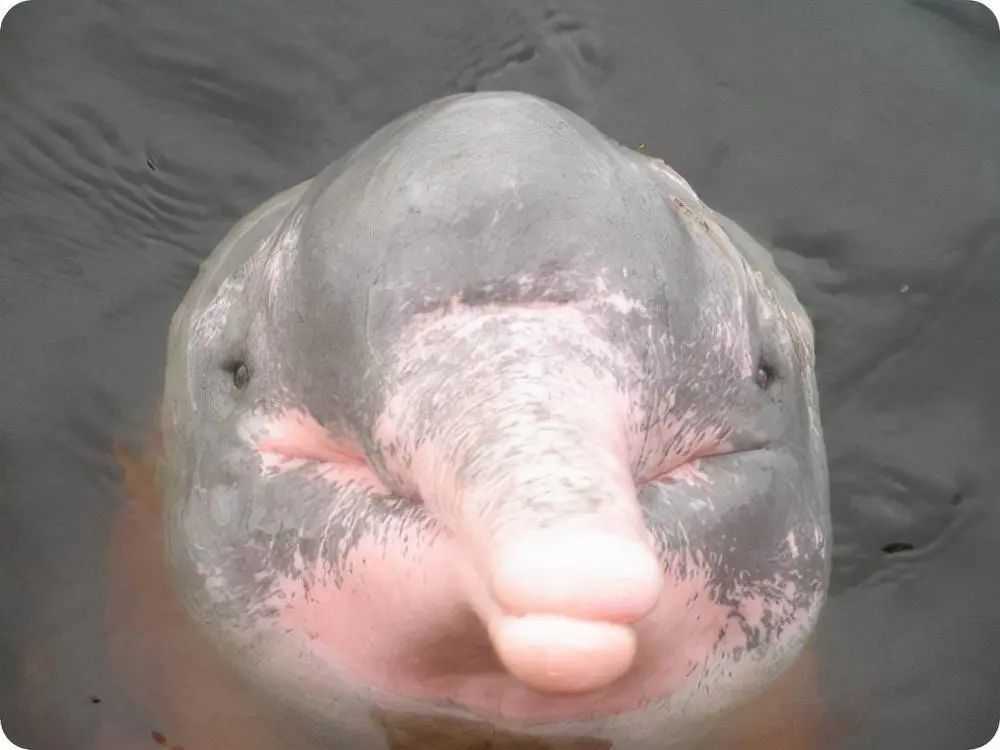
The Pink River Dolphin: Amazon’s Enigmatic Pink Wonder Unique to River Ecosystems
In the murky waters of the Amazon and Orinoco river basins, a creature of mythical allure glides through the currents: the pink river dolphin (Inia geoffrensis), a unique species that has captivated indigenous tribes and scientists for centuries. Often called the "botos," these dolphins stand out not only for their striking pink hue but as one of the few freshwater dolphin species on Earth, evolving the perfect adaptation to thrive in the Amazon’s labyrinthine waterways.
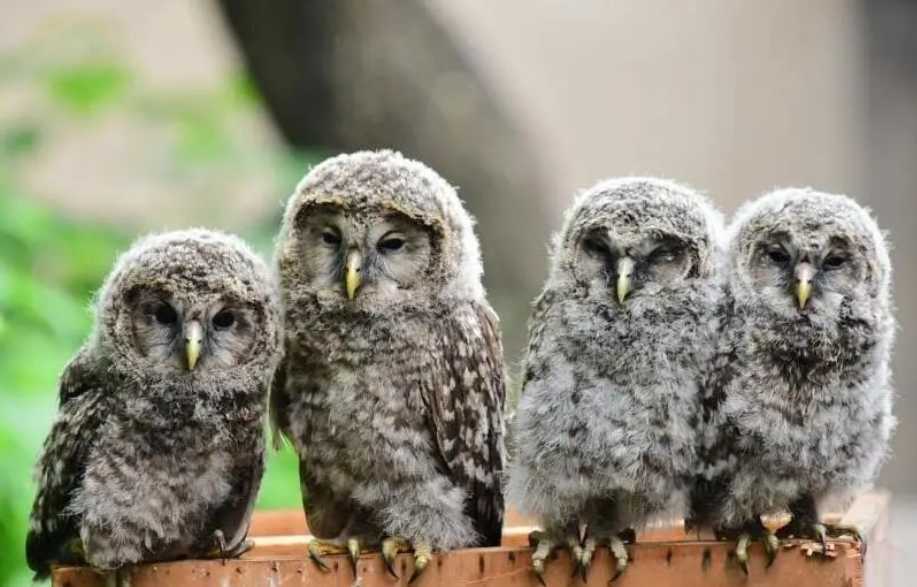
The Eurasian Eagle-Owl: A Majestic Raptor with a Scruffy Adolescence
The Eurasian eagle-owl (Bubo bubo) ranks among the world’s largest owls, with a wingspan reaching 1.8 meters. Widespread across Eurasia, this apex predator inhabits forests and mountainous terrain, known for its deep, booming "hoo-hoo" calls and fierce territorial behavior. Classified as a national second-class protected animal in China, it commands respect as both a biological marvel and a cultural symbol.
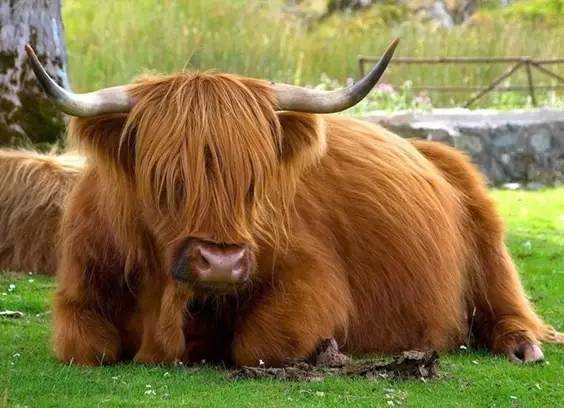
Miniature Highland Cattle: The Adorable 'Fluffy Cows' with Trendsetting Bangs
Native to the Scottish Highlands, miniature Highland cattle have skyrocketed to fame for their shaggy, over-the-eye bangs and plush, reddish-brown coats, earning them nicknames like "fluffy cows" or "nature’s hipsters." These pint-sized bovines, bred from their larger Scottish ancestors, stand just 80–100 cm at the shoulder, blending rustic hardiness with undeniable cuteness.
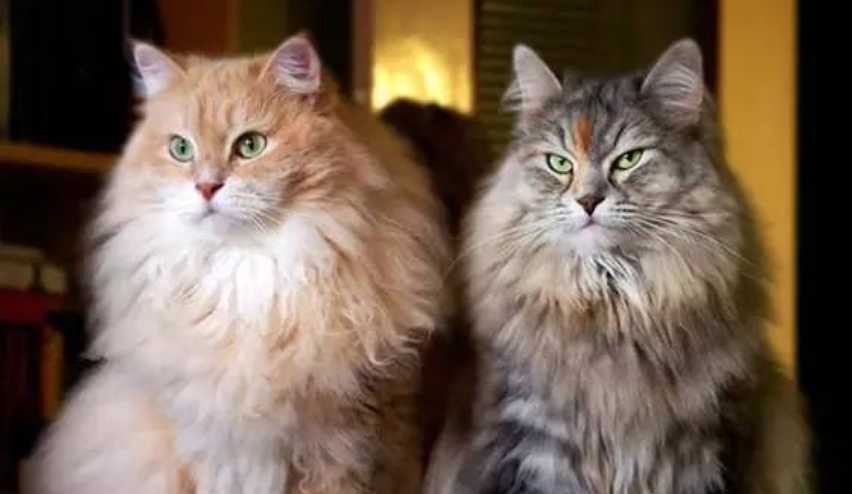
The Siberian Cat: Russia’s Majestic Forest Feline with a Royal Heritage
Native to the harsh wilderness of Siberia, the Siberian cat has roamed Russia’s forests for centuries, evolving a thick, water - repellent coat and robust build to survive frigid climates. This ancient breed, often called the "national cat of Russia," blends wild resilience with a gentle demeanor, captivating cat lovers worldwide.
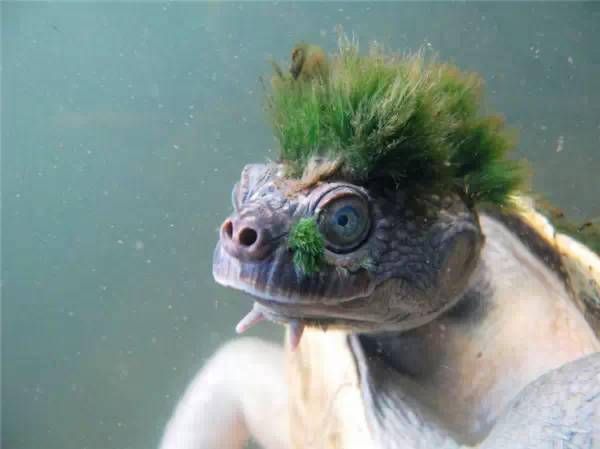
The Punk - Headed Mary River Turtle: A Unique and Endangered Species
The Mary River turtle, also known as the "punk - headed turtle," is a freshwater turtle endemic to the Mary River in Queensland, Australia. It has a distinctive appearance, with strands of green algae growing on its head, which gives it the look of a punk rocker with a green Mohawk. This unique "hairdo" is not actually hair but a natural growth of algae, which adds to the turtle's charm and distinctiveness.
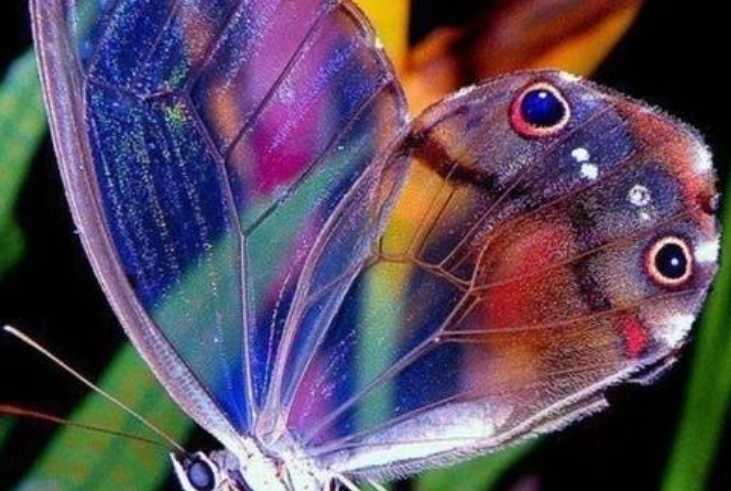
The Glasswing Butterfly: Nature’s Transparent Wonder with a Survival Strategy
Native to the tropical rainforests of Central and South America, the glasswing butterfly (Greta oto) has captivated scientists and nature enthusiasts with its most iconic feature—wings so transparent they appear nearly invisible in flight. This remarkable adaptation allows it to vanish mid-air, making it a living example of nature’s evolutionary ingenuity.
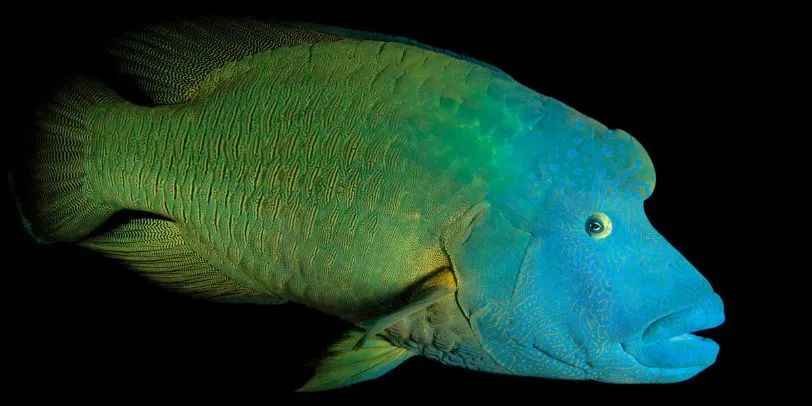
Giant Wrasse: Endangered Icon of Marine Ecosystems
The humphead wrasse (Cheilinus undulatus), a majestic marine species, remains listed as endangered, facing ongoing threats to its survival in global oceans. Renowned for its impressive size, adult individuals can reach a staggering weight of 180 kilograms, making it one of the largest reef-dwelling fish in the world.
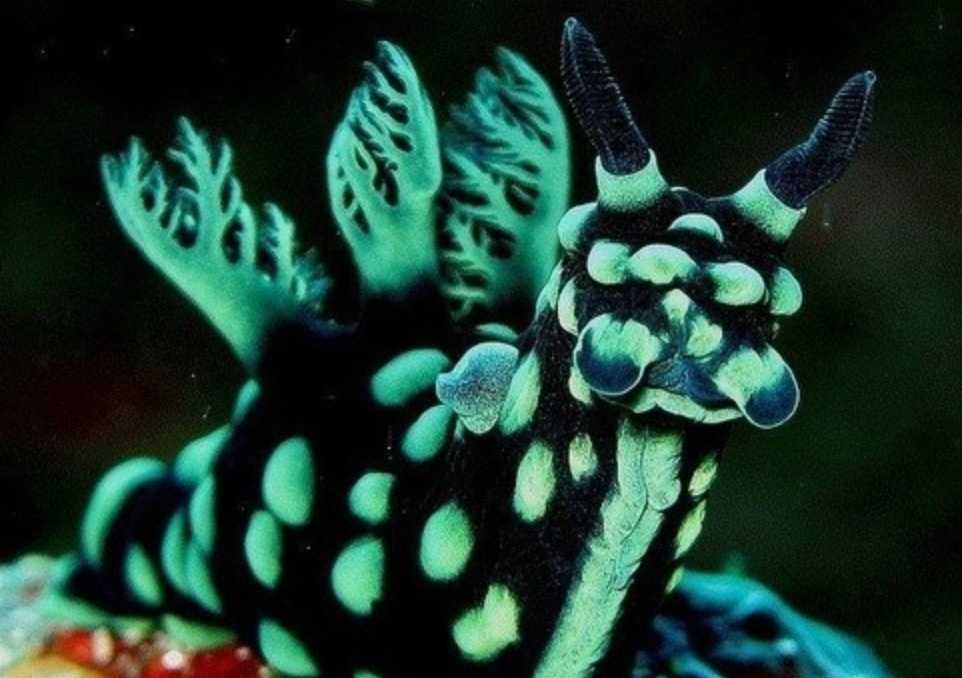
Glowing Green Sea Slug with Bioluminescent Defense Discovered in Tropical Reefs
A striking new species of sea slug, Nembrotha cristata, has been documented in the coral reefs of the Indian and western Pacific Oceans, captivating marine biologists with its vivid coloration and unique survival tactics. Measuring up to 50 millimeters, this nudibranch mollusk features a vibrant green body dotted with bioluminescent spots and a distinctive crest-like ridge along its back, earning it the nickname "crest-shaped sea slug" . Its most remarkable adaptation is the ability to store stinging cells (nematocysts) from its jellyfish prey
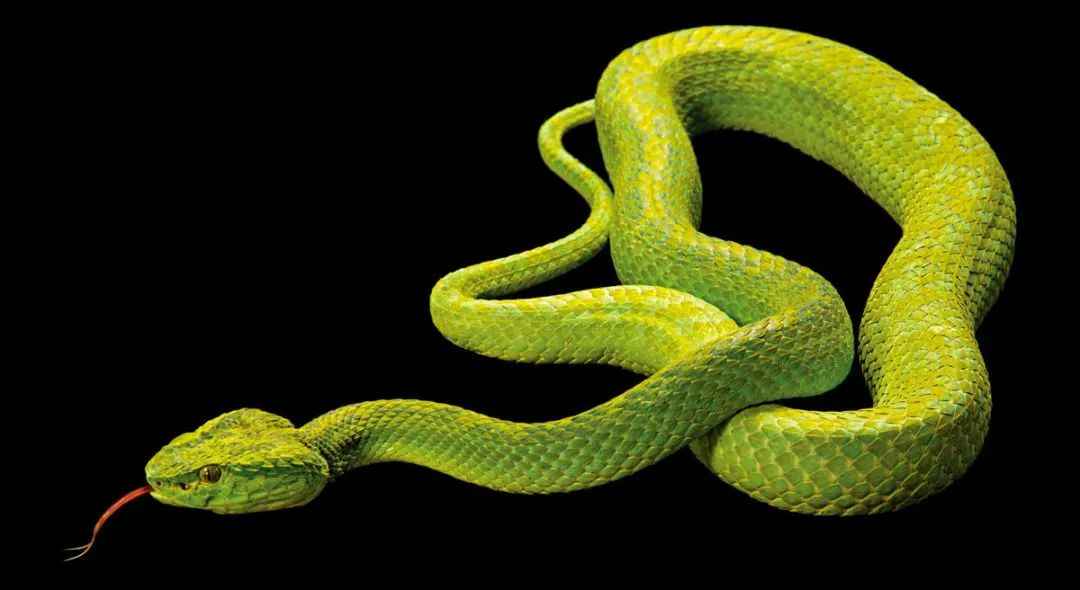
Honduran Palm Pit Viper Faces Extinction as Prey Collapses
In the lush, mist-shrouded forests of Honduras, a silent crisis is unfolding for one of the region’s most unique reptiles: the Honduran palm pit viper (Bothriechis marchi). Classified as endangered, this elusive serpent, known for its striking coloration and arboreal habits, is teetering on the brink of disappearance, its fate tightly intertwined with the catastrophic decline of its primary prey—amphibians.
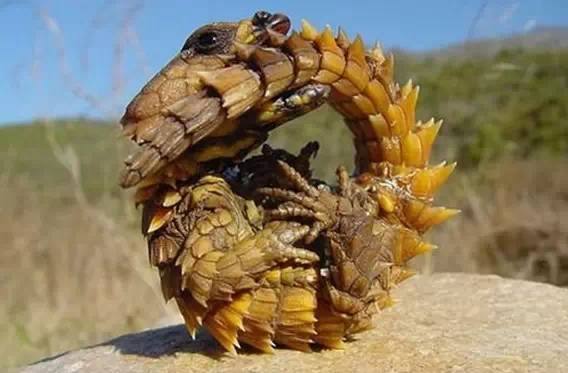
The Thorny Devil: Australia’s Armor-Plated Lizard with a Unique Survival Strategy
Native to the arid deserts of central and western Australia, the thorny devil (Moloch horridus), also known as the moloch or thorny dragon, is a reptile like no other. Covered in spiky protrusions and adapted to survive in harsh desert conditions, this small lizard has evolved extraordinary features to thrive in one of the world’s most unforgiving environments.
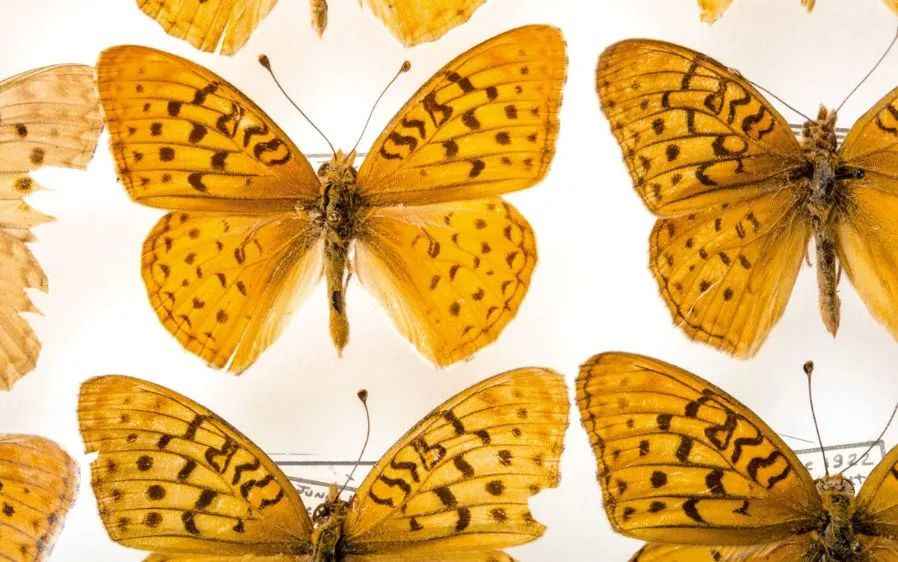
The Atossa Fritillary: A Lost Gem of Southern California’s Mountains, Last Sighted in 1959
The Atossa fritillary (Speyeria adiaste atossa), a butterfly once common in Southern California’s mountain regions, is feared extinct, with no confirmed sightings since 1959. Characterized by its broad wings decorated with elegant black spots, the species once thrived across the area’s rugged landscapes.
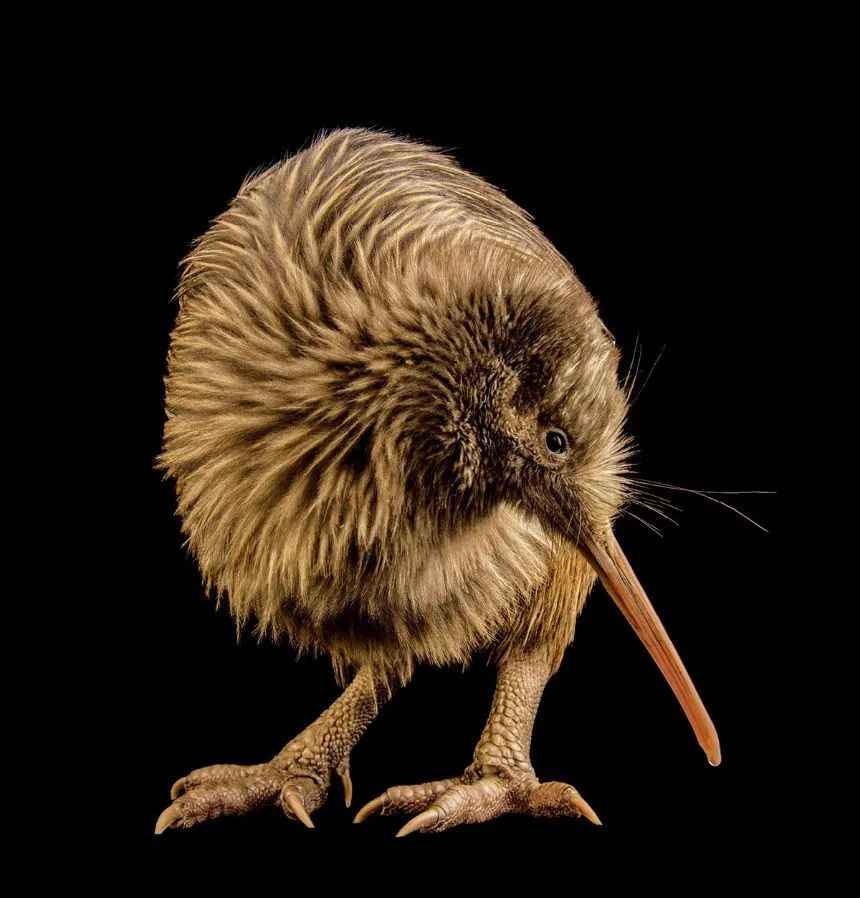
Endemic Okarito Brown Kiwis in New Zealand Face Severe Threat from Invasive Species
WELLINGTON, July 17 (Xinhua) -- The Okarito brown kiwi (Apteryx rowi), a flightless bird endemic to New Zealand, is teetering on the brink of a growing survival crisis. Classified as "Vulnerable" by the International Union for Conservation of Nature (IUCN), this unique species is grappling with relentless threats from invasive predators like stoats, which have wreaked havoc on their nests and chicks, putting the entire population at risk.
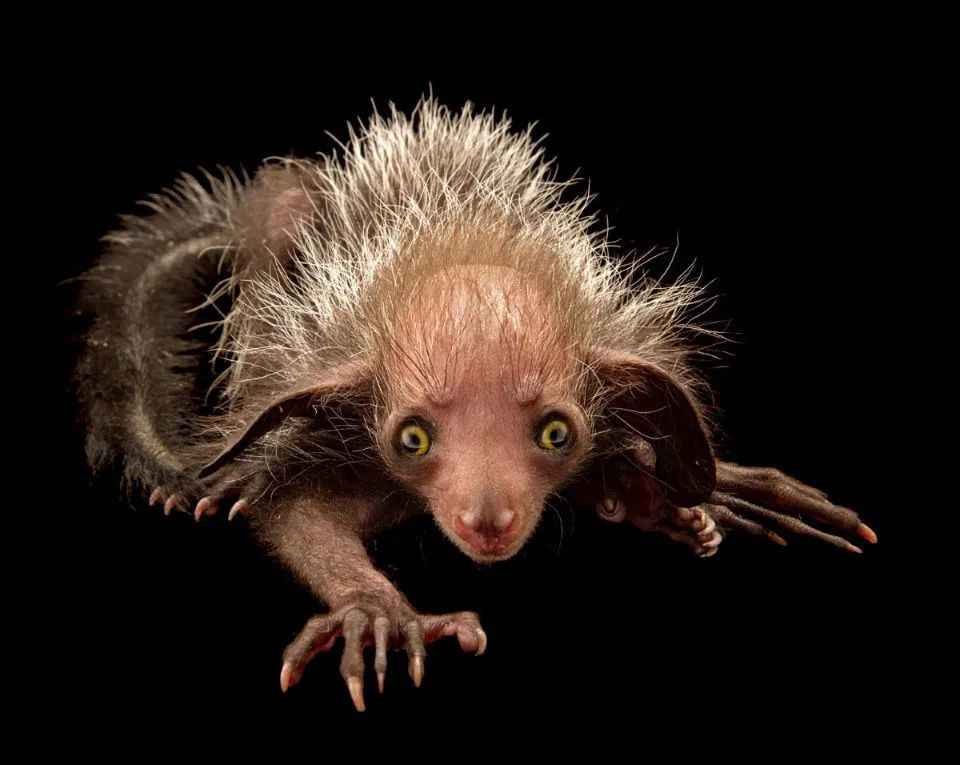
Madagascar's Aye-Aye: Endangered Creature Haunted by 'Cursed' Digit
Deep within Madagascar's rainforests resides one of Earth's most peculiar primates—the aye-aye (Daubentonia madagascariensis). A unique mammal, it boasts a remarkable adaptation: an extraordinarily slender, elongated middle finger. This specialized digit, the most dexterous part of its body, serves as a vital survival tool, acting like a precision probe to extract insect larvae from tree bark crevices or scoop out fruit pulp, perfectly suited to foraging in the complex jungle environment.
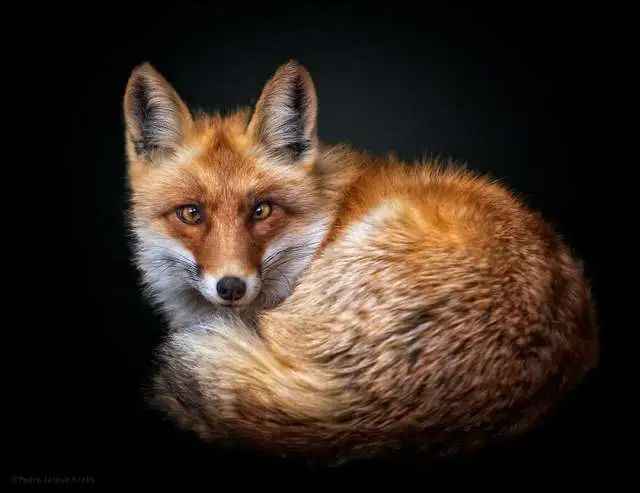
Red Fox: A Master of Adaptation in the Wild
Red foxes, scientifically known as Vulpes vulpes, are among the most widespread and adaptable carnivores on Earth, thriving across diverse habitats from the frozen tundras of the Arctic to the bustling outskirts of urban centers. Their iconic rusty-red coat, white underbelly, and bushy tail—often tipped with white—make them easily distinguishable, while their pointed ears and sharp snouts reflect their keen senses, critical for survival.

The Olm: Nature’s Living 'Dragon' of Alpine Caves
Often hailed as the closest real-life counterpart to mythical dragons, the olm (Proteus anguinus) dwells in the limestone caves of the Alps. With a serpentine body, tiny limbs, and three pairs of vibrant red feathery gills, this amphibian bears an uncanny resemblance to legendary dragon depictions—minus scales. Native to underwater cave systems in Slovenia, Croatia, and Bosnia, it has inspired myths for centuries, and its image is frequently misused in online hoaxes claiming to show "baby dragons."