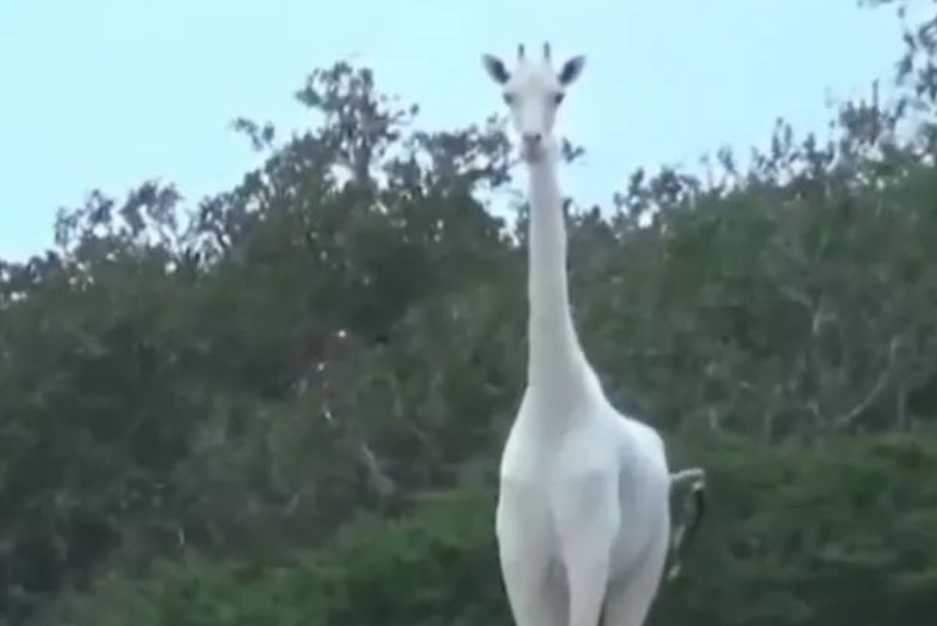
Unlike albinos, which lack all melanin and exhibit pink eyes, leucistic giraffes retain normal eye color and may have patches of pigmented skin. The condition is caused by a recessive gene that affects melanocyte development, resulting in the pale - colored fur. In 2020, the conservancy mourned the loss of three white giraffes to poaching, highlighting the vulnerability of these rare animals. However, recent sightings of a mother and calf pair have renewed hope for the population, with researchers closely monitoring their behavior and health.
Kenya’s white giraffes face dual threats: poaching for their perceived rarity and habitat loss due to climate change. Local communities, however, have embraced the creatures as cultural symbols, with some tribes believing they bring good fortune. The Ishaqbini Conservancy has implemented 24/7 patrols and community education programs to protect the giraffes, while scientists study their genetics to inform conservation strategies. As climate shifts alter migration patterns, preserving these unique individuals has become a rallying cry for global wildlife advocates, who see them as a living testament to nature’s fragile diversity.
"Each sighting is a reminder of the magic hidden in Kenya’s wild spaces," says conservancy director Abdullahi Hado. "Protecting these giraffes isn’t just about genetics—it’s about safeguarding a symbol of hope for our ecosystems."